



PAPR
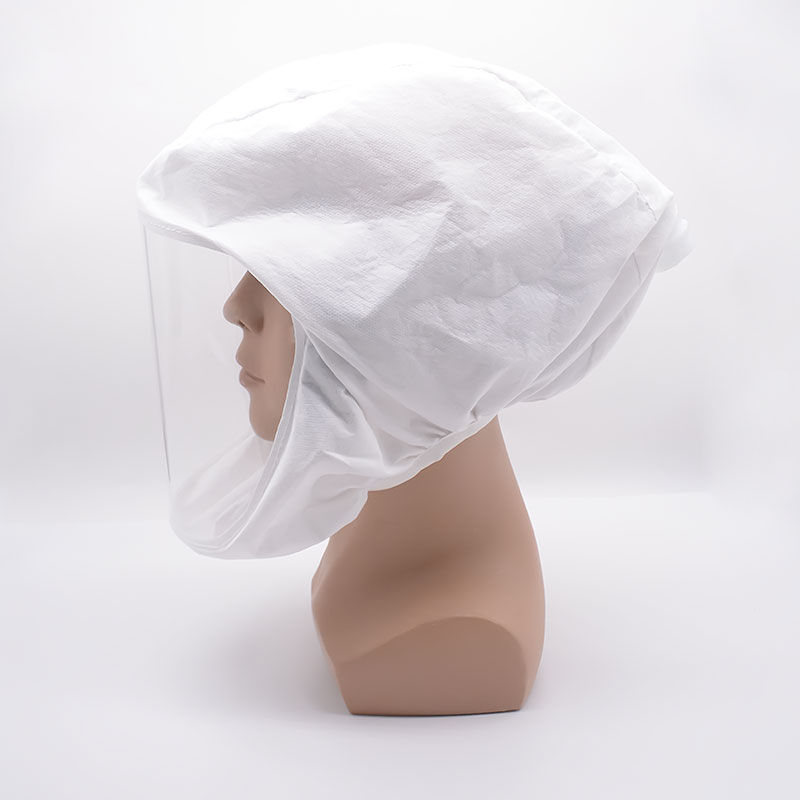
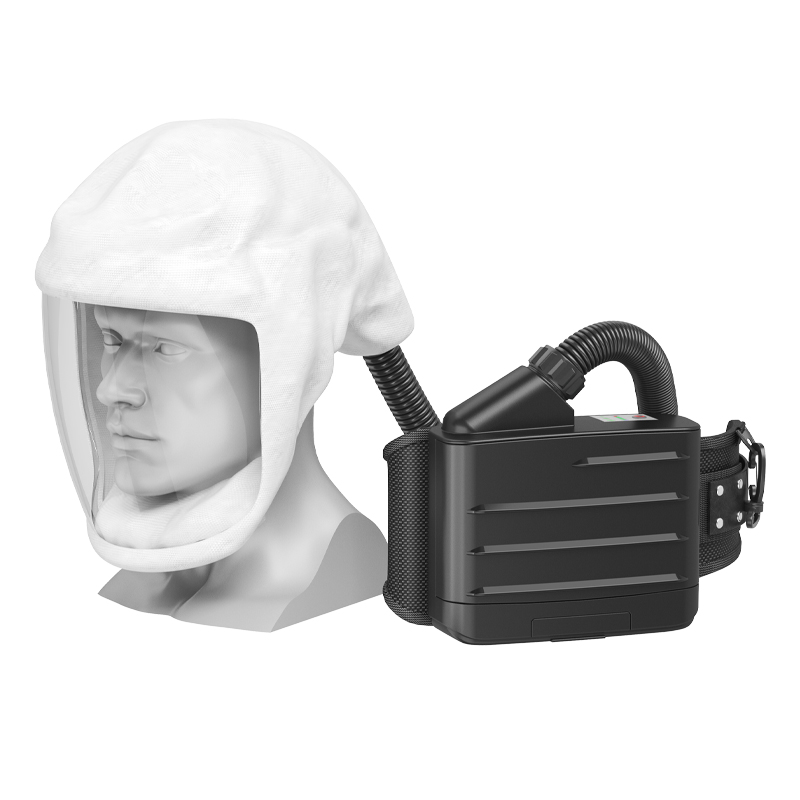
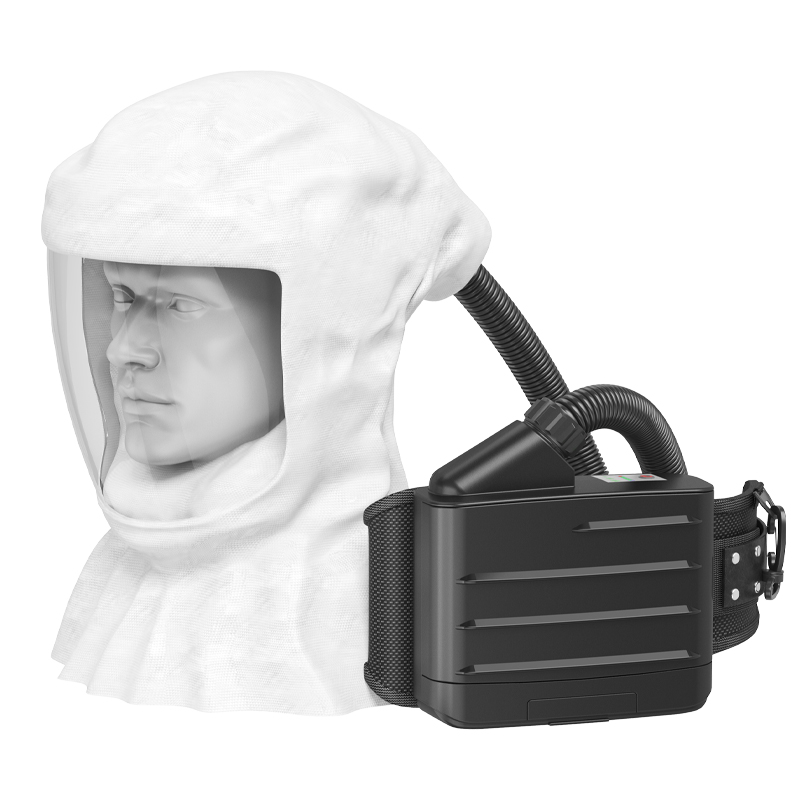
Loose-fitting PAPR hoods Primair Losse Fitting Head Cover A Loose-fitting TH3 Hood for powered air systems
Read More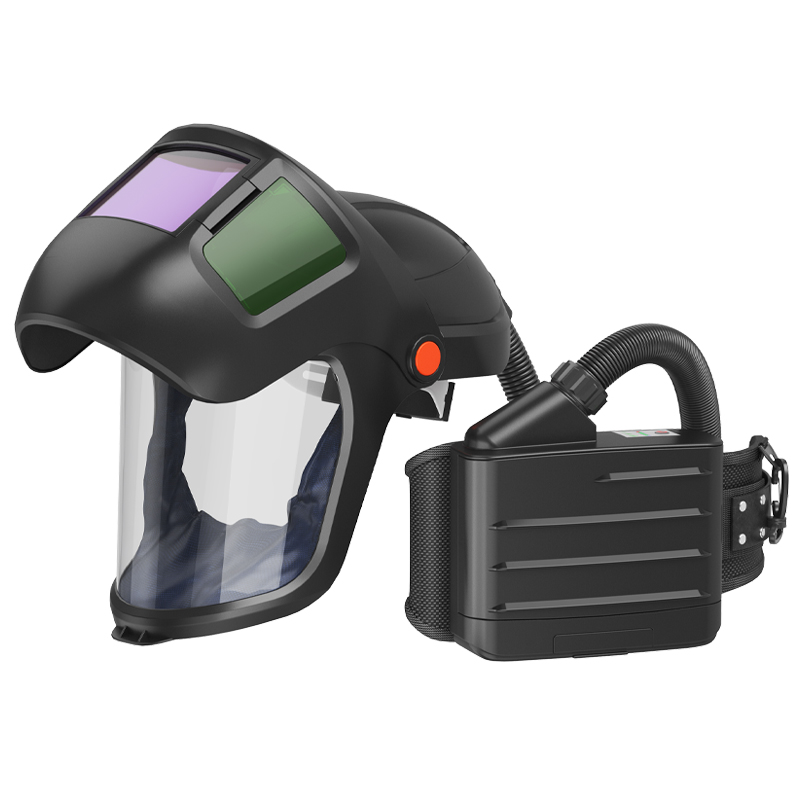
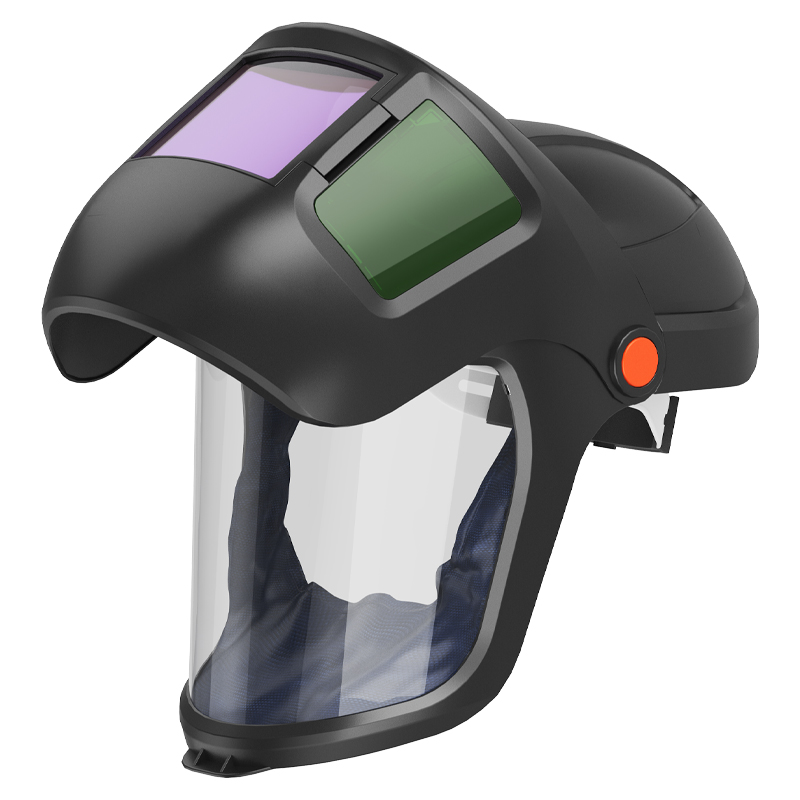
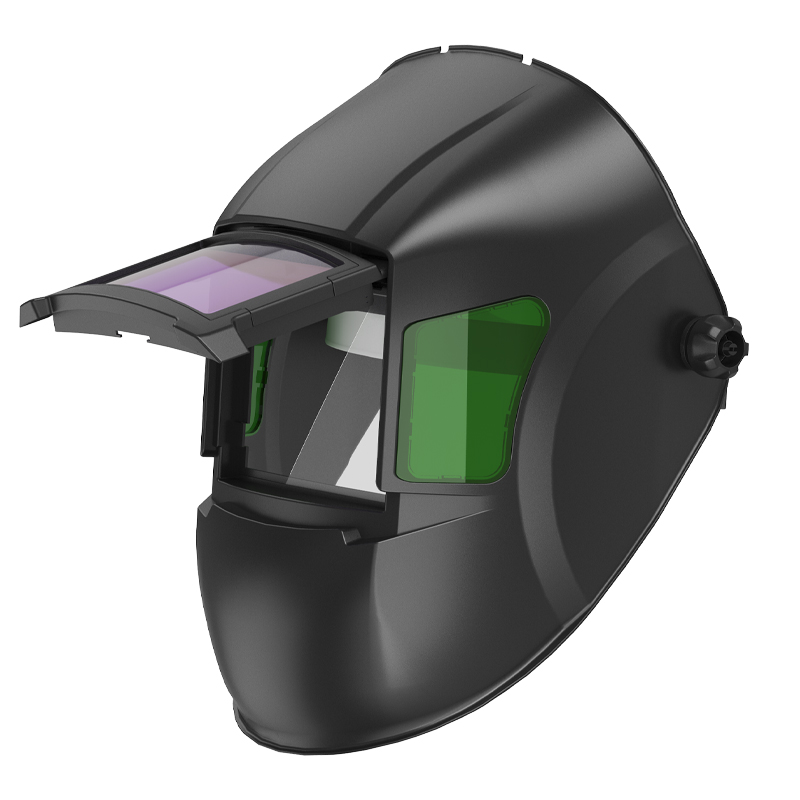
This advanced flip-up welding helmet features an auto-darkening lens for optimal eye protection and visibility during welding tasks. Integrated with a PAPR system compliant with EN12941 TH3PRSL standards, it provides a high level of respiratory protection, ensuring safety and comfort in demanding work environments.
Read More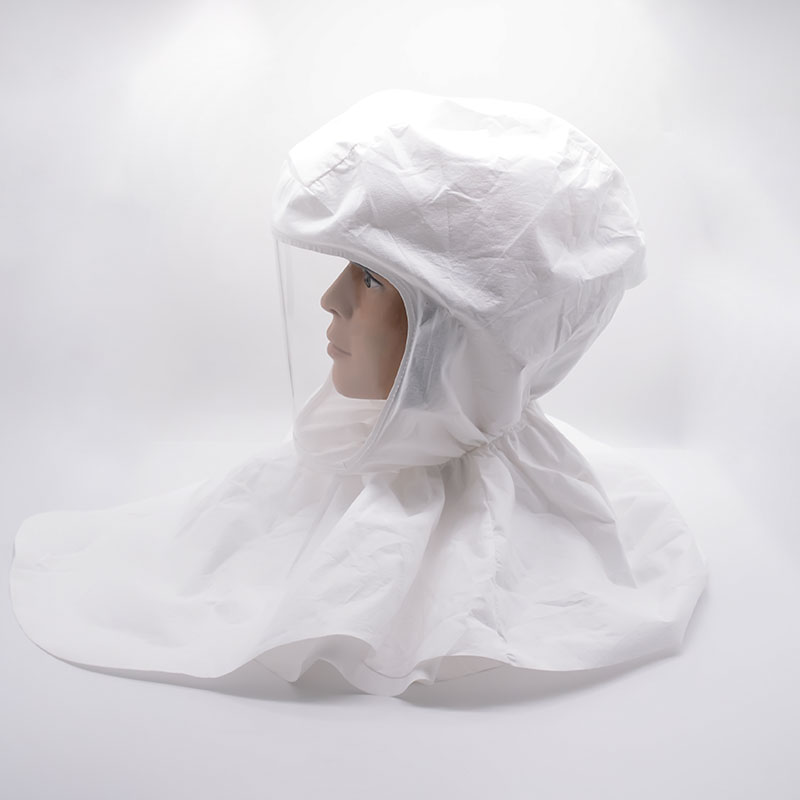
Loose-fitting PAPR hoods Primair Losse Fitting Head Cover A Loose-fitting TH3 Hood for powered air systems
Read More
29+,0000


Empolyees in Factory

Countries and Regions Sold.

Factory Area (㎡).

Years of Market Experience.
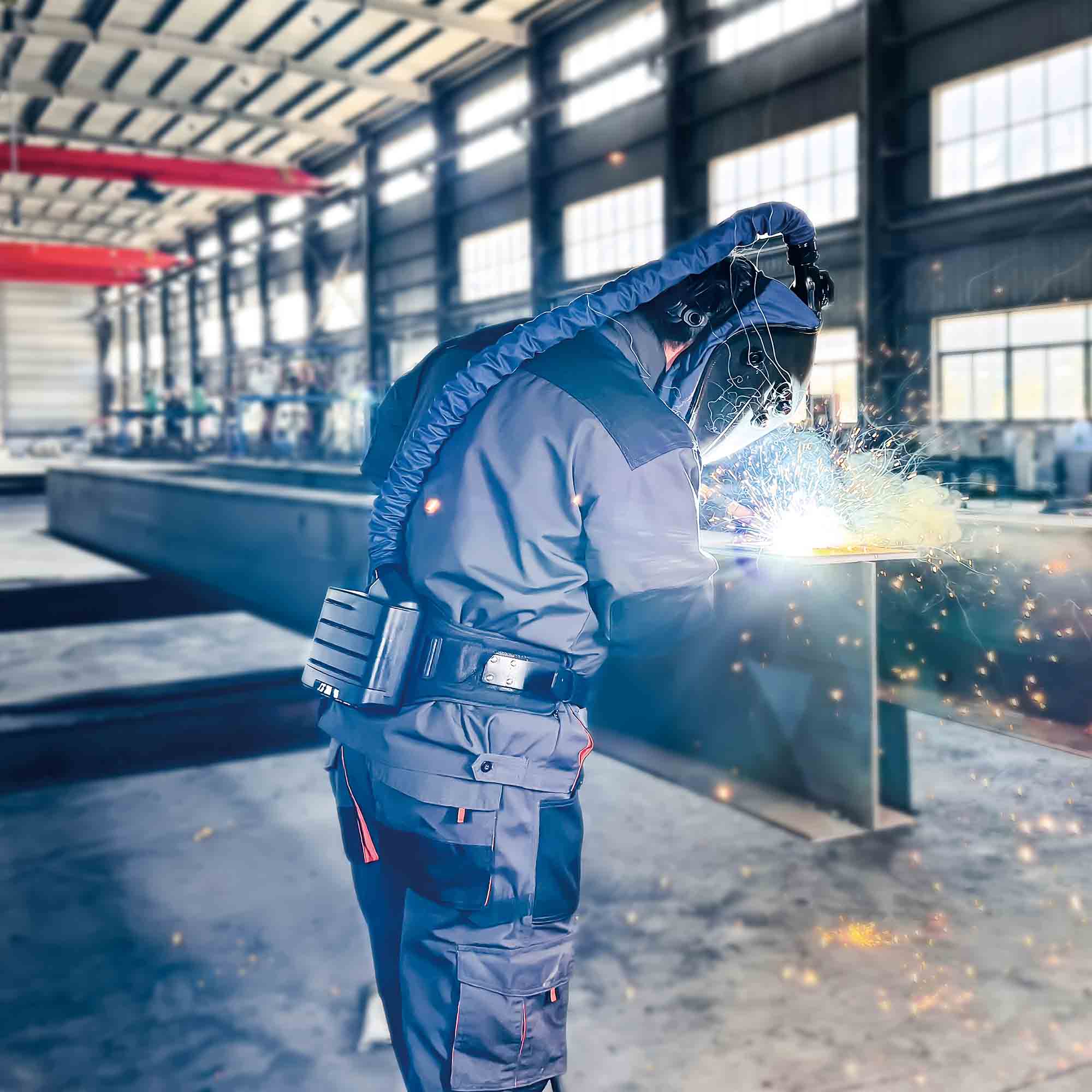
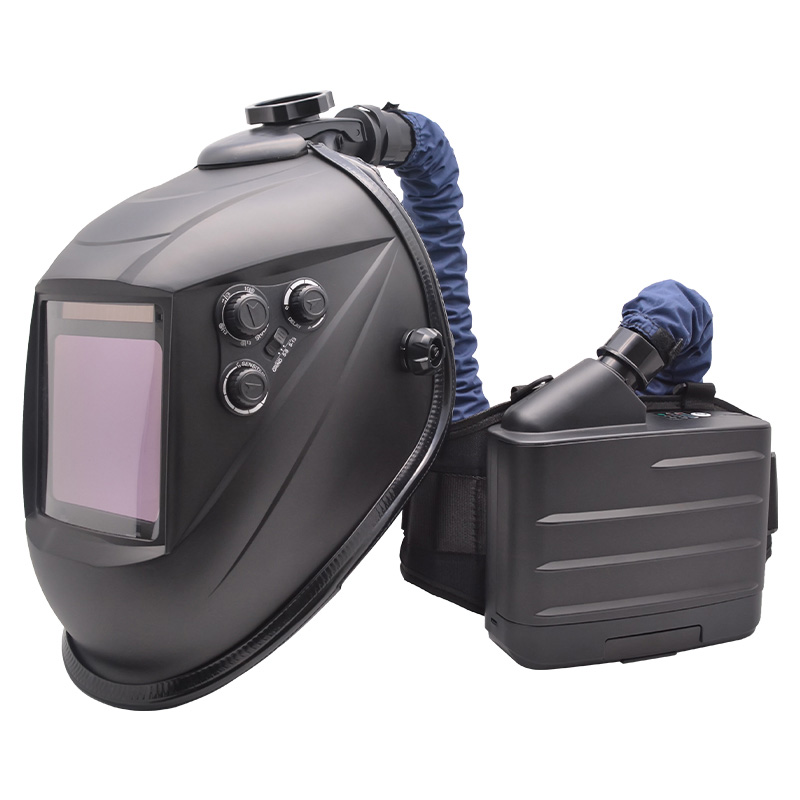
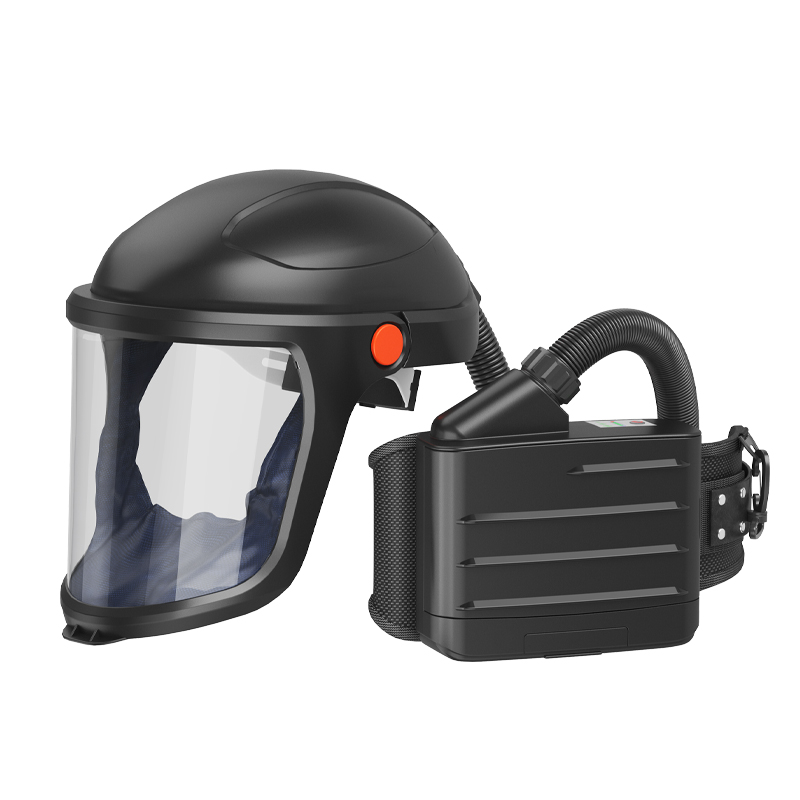
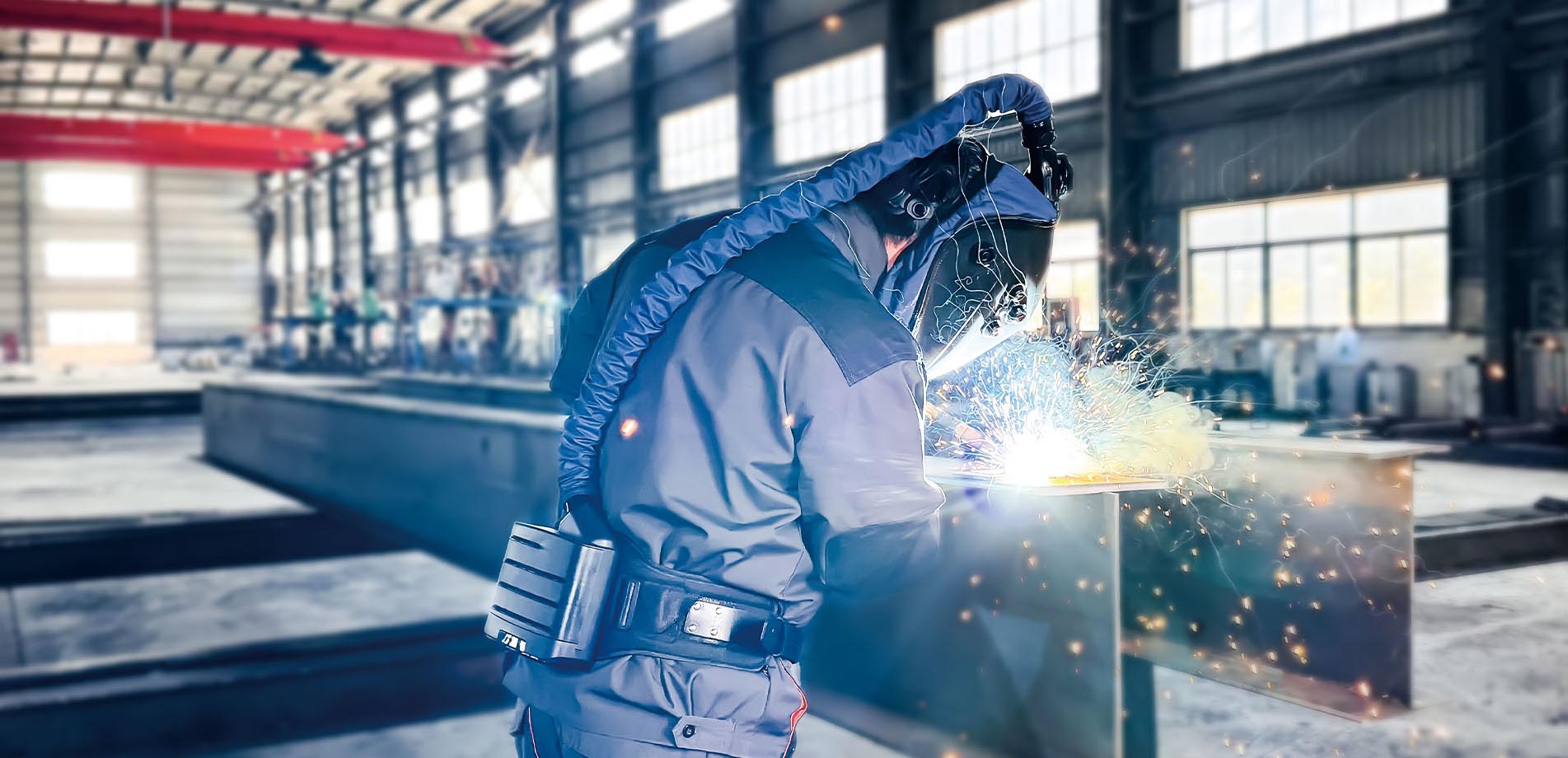
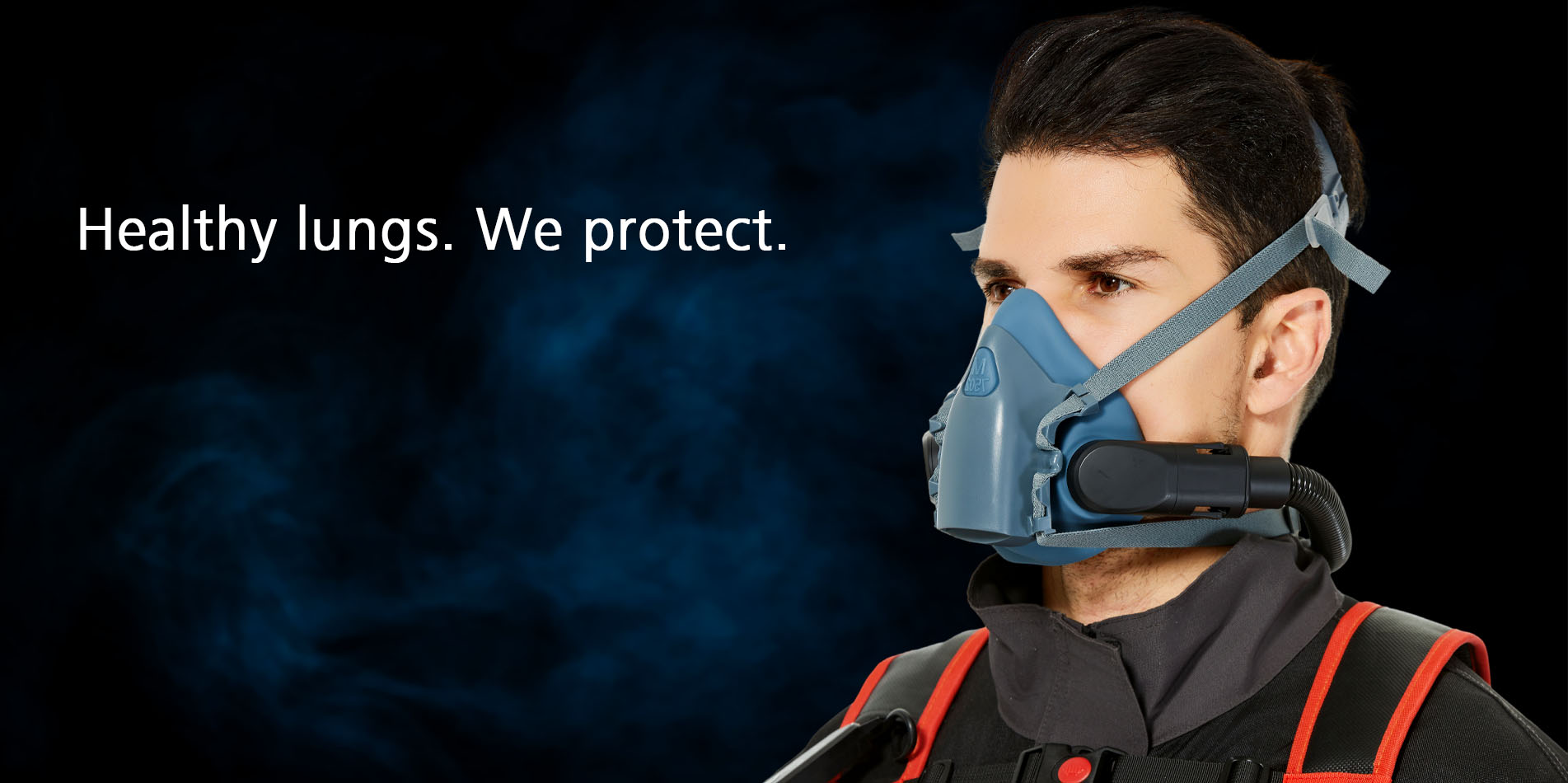
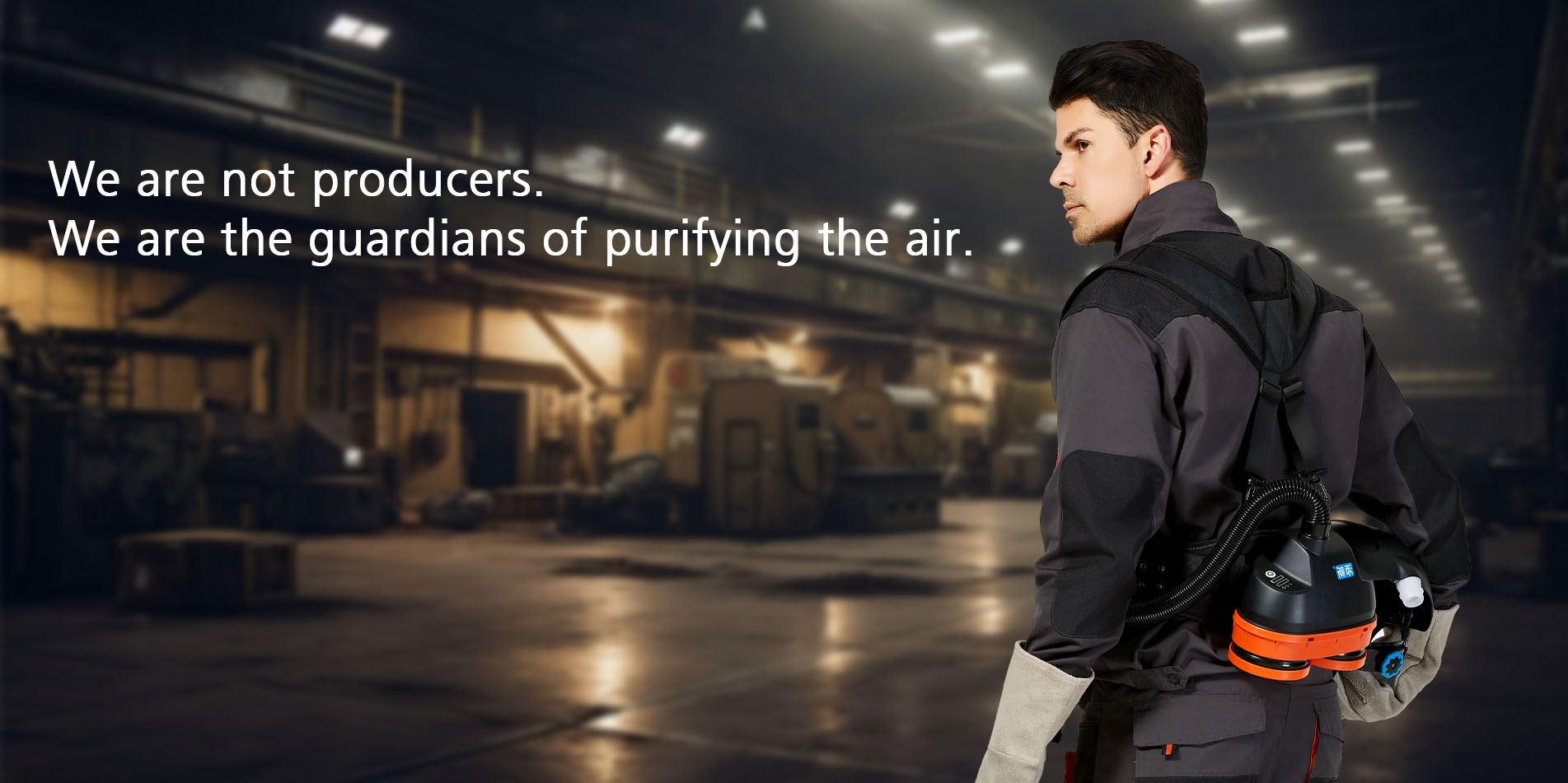
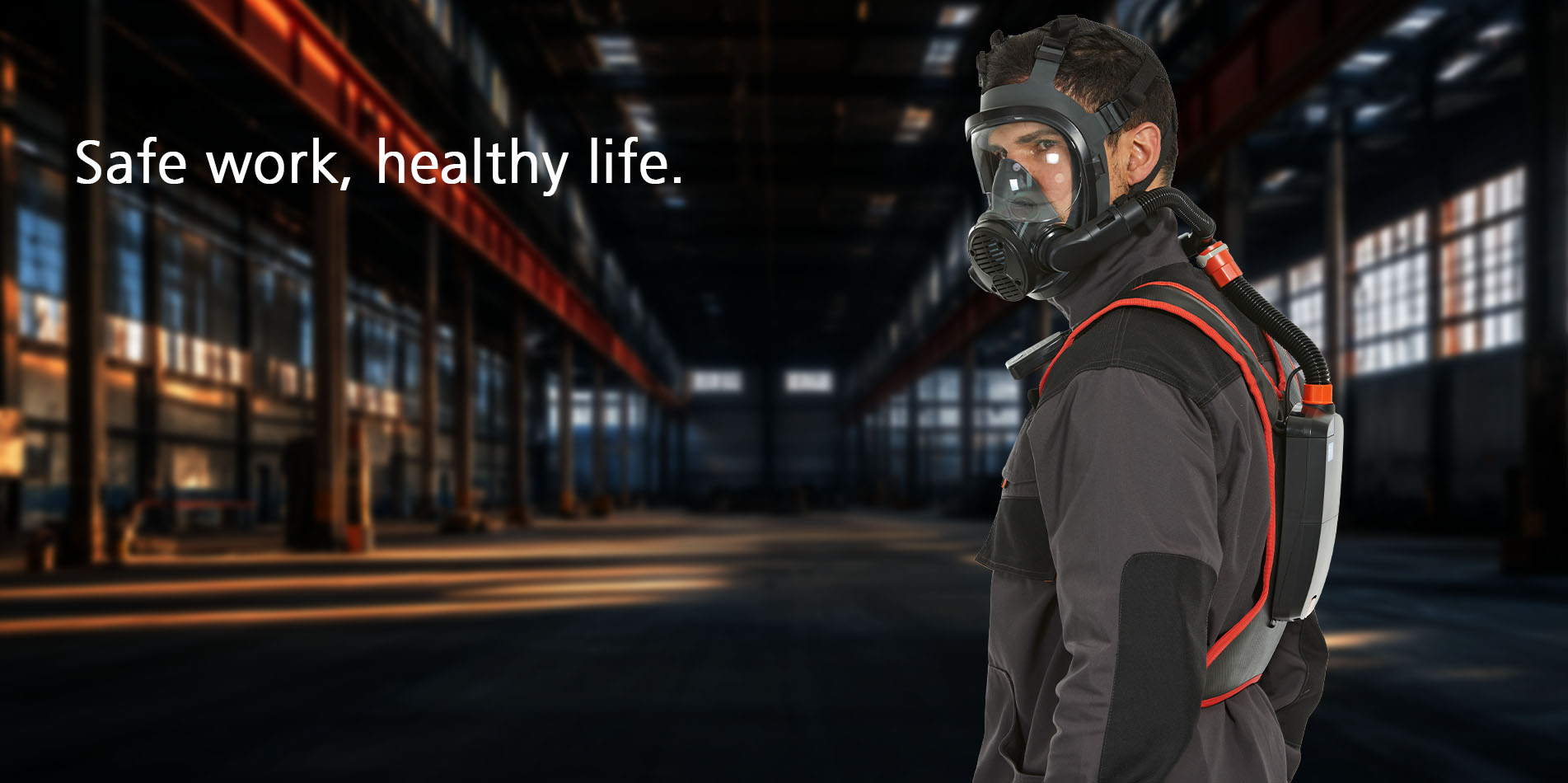
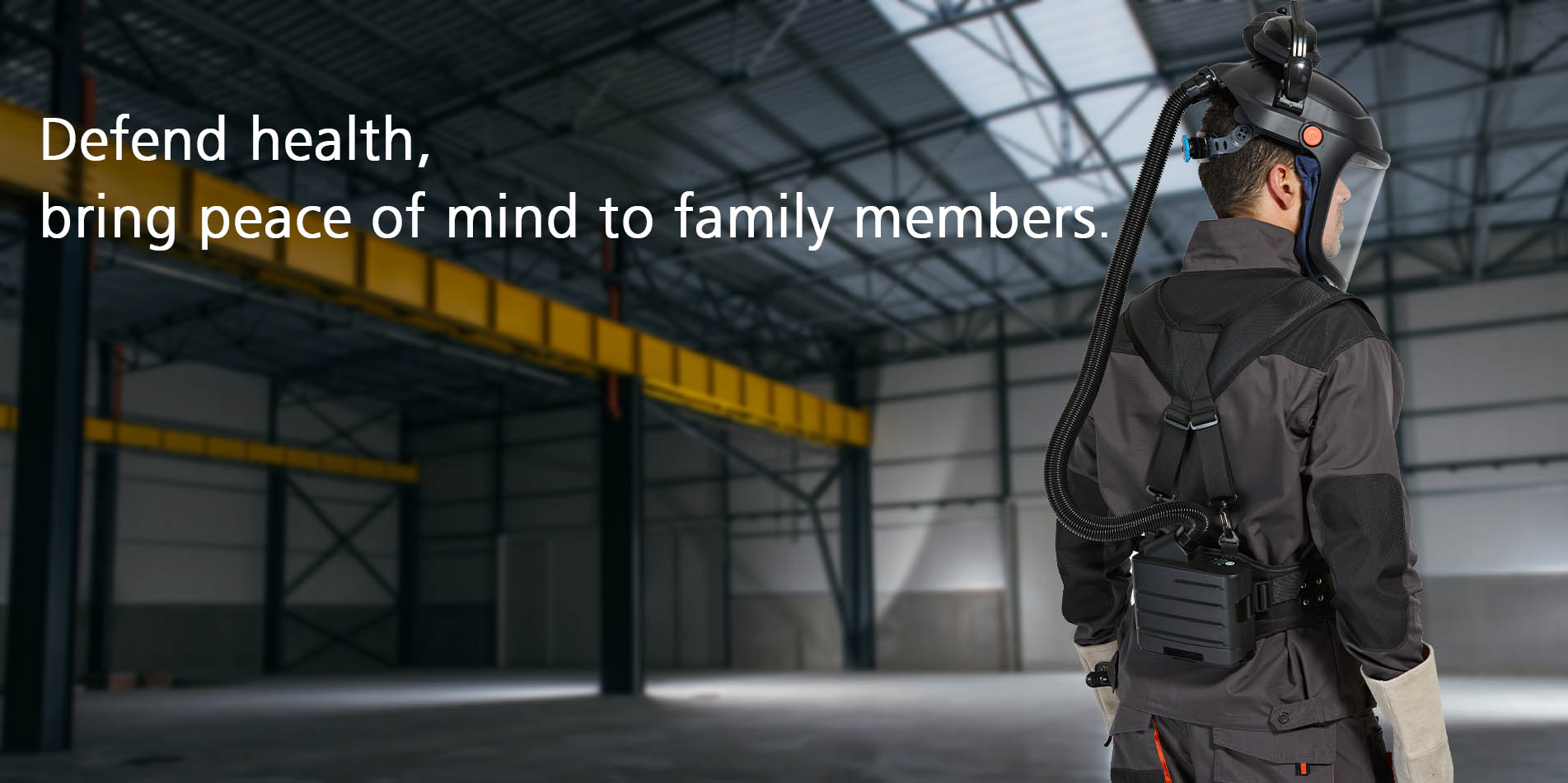
The application of PAPR (Powered Air-Purifying Respirator) in the welding industry is mainly for respiratory protection, providing clean air for welders to ensure their health, while improving work comfort and convenience. Firstly, our PAPR is very lightweight, including standard battery the weight is just 820g. - Providing respiratory protection: A large amount of fumes and harmful gases are generated during welding, such as metal oxide dust like iron oxide and manganese oxide, as well as carbon monoxide and nitrogen oxides. PAPR draws in external air through an electric fan, filters it through a filter, and supplies positive-pressure clean air into the mask, preventing external polluted air from entering and effectively protecting the welder's respiratory system from inhaling these harmful substances. HEPA filter TH3 grade, filter efficiency 99.97%. - Enhancing wearing comfort: The PAPR system is relatively light in weight and adjustable. Workers can configure it as a waist belt or carry it on their backs with a four-point safety belt. The air supply from the fan makes breathing easier, reducing fatigue for welders. Compared with traditional self-contained breathing apparatus, it is less tiring even when worn for a long time. our PAPR can connect different Helmet by our multi-functional connector. - Optimizing visual clarity: PAPR can usually be used with welding helmets. The full-face mask design offers a wide field of view, and the positive-pressure air can prevent the mask from fogging, allowing welders to observe the welding area more clearly, which helps improve welding quality and work efficiency. - Adapting to various scenarios: The air flow rate of the PAPR system can be adjusted to suit different welding processes and working environments.Air flow of Level 1: 170L/Min, Level 2: 210L/Min. Intelligent consistant air flow, the turbo speed will automatcially increase when the resistance of the filter increases.
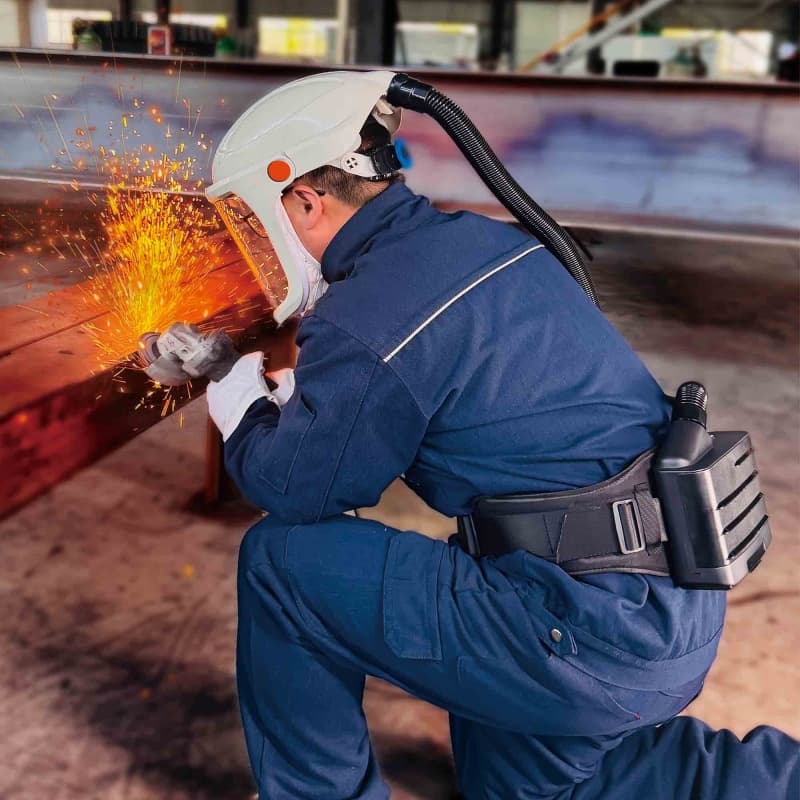
In grinding operations, PAPR (Powered Air-Purifying Respirator) provides effective respiratory protection by addressing the high concentration of dust, debris, and potentially harmful particles generated. Here are its key solutions: - Targeted particle filtration: Grinding produces a large amount of fine dust (such as metal, wood, or stone particles) and aerosols. PAPR uses high-efficiency filters TH3 HEPA filter to capture these particles. The system’s positive pressure prevents unfiltered air from entering the mask, ensuring the wearer breathes clean air. - Adaptation to harsh environments: Grinding often involves high levels of dust and may be accompanied by vibration or movement. PAPR’s durable design (e.g., rugged filters and sealed masks) resists clogging and maintains performance. Adjustable airflow rates (typically 100–250 L/min) compensate for increased filter resistance as dust accumulates, ensuring consistent protection. - Comfort for extended use: Grinding tasks are often lengthy, and PAPR’s lightweight, ergonomic design (e.g., waist-mounted or backpack fans) reduces neck and shoulder strain. The continuous airflow minimizes heat and moisture buildup inside the mask, enhancing comfort during long shifts. - Integration with work gear: PAPR can be paired with our grinding headtops, to provide combined respiratory and facial protection. This integration ensures unobstructed movement while maintaining a secure seal against dust. - Simplified maintenance: Many PAPR models feature filter change indicators, alerting users when filters are clogged (due to increased resistance). This ensures timely replacement, maintaining optimal airflow and protection efficiency in grinding environments where dust accumulation is rapid.
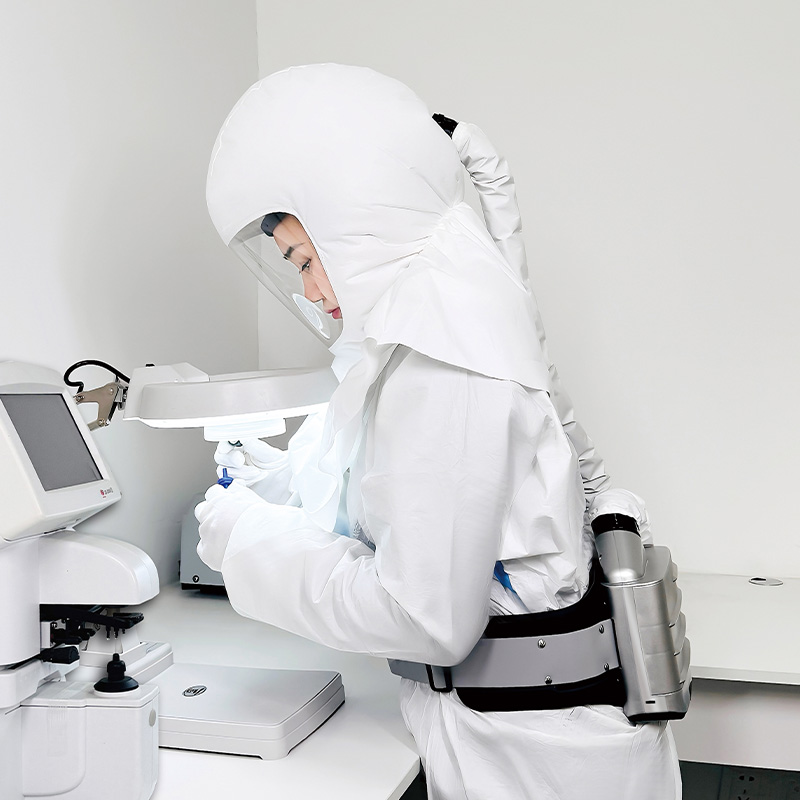
Powered Air Purifying Respirators(PAPR) system BXH-3001-4 With Non-woven Hood It will offer critical respiratory protection in healthcare settings through the following solutions: - Enhanced Respiratory Protection: PAPRs use a battery-powered blower to draw air through filters (e.g., HEPA, N95-equivalent) and deliver clean, positive-pressure air to the user’s breathing zone, reducing exposure to airborne pathogens (e.g., viruses, bacteria), aerosols, and hazardous particles during high-risk procedures like intubation or aerosol-generating operations. - Comfort and Compliance: The positive-pressure design minimizes breathing resistance, making long-duration wear more tolerable for healthcare workers. This improves compliance with infection control protocols, especially during extended shifts. - Versatility in High-Risk Environments: Suitable for various clinical scenarios, including isolation wards, emergency departments, and surgical suites, where protection against both known and emerging airborne threats is essential. - Reduced Fogging and Communication Barriers: Many PAPR models feature clear face shields or hoods that reduce lens fogging, enhancing visibility. They also often include built-in communication aids, facilitating better interaction between healthcare providers and patients. - Reusability with Proper Decontamination: Designed for repeated use when paired with appropriate cleaning and disinfection protocols, PAPRs offer a cost-effective alternative to single-use respirators in resource-constrained settings.
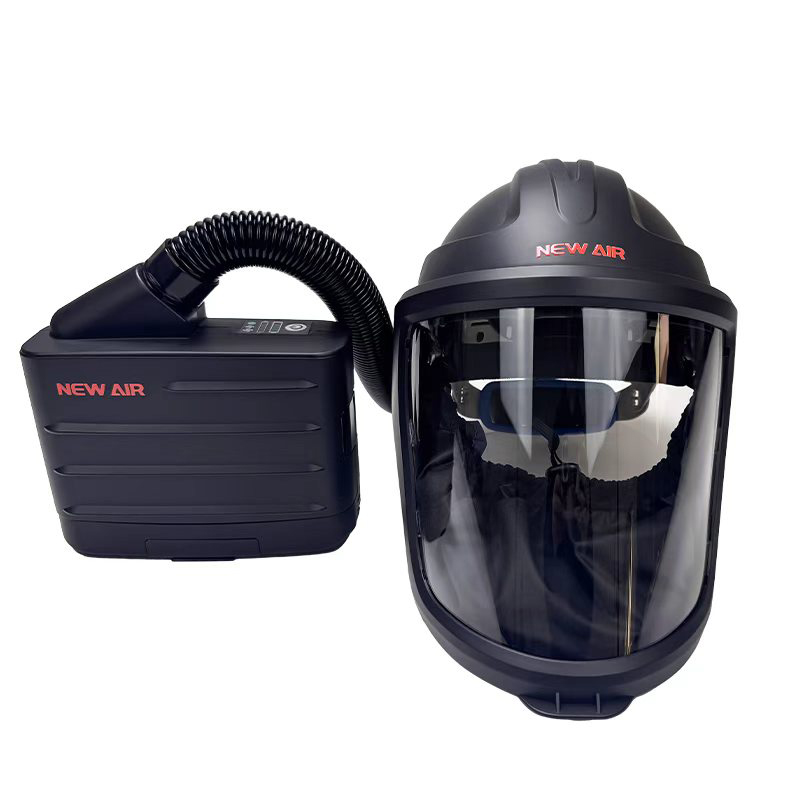
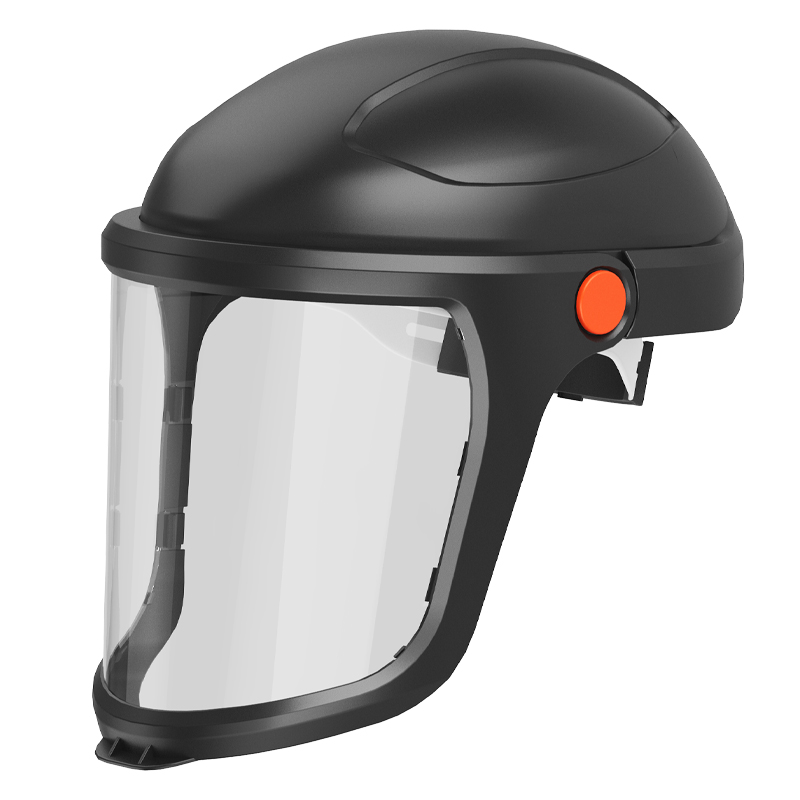
Recently, NEW AIR announced exciting news: its core product, the hard hat, has completed full enterprise self-testing, with all performance indicators fully complying with the requirements of the EU's EN397 safety helmet standard. This hard hat is compatible with papr respirator system, forming an integrated head protection solution. Currently, the product is fully prepared and will soon be sent to an authoritative testing institution for official testing, striving to obtain the CE certification certificate and laying a solid compliance foundation for entering the EU market. As the core technical specification formulated by the EU for industrial safety helmets, the EN397 standard is an authoritative benchmark for measuring the safety performance of head protection equipment. Its testing covers multiple key indicators such as impact absorption performance, penetration resistance, heat resistance, electrical insulation, and lateral rigidity, placing strict requirements on the product's material technology, structural design, and safety protection capabilities. Passing this standard certification is not only a mandatory threshold for entering the EU market but also a core manifestation of an enterprise's technical strength and product quality. The successful completion of self-testing and compliance of NEW AIR's hard hat, coupled with the internal verification of its compatibility with PAPR, fully demonstrates that the product has the strength to meet international top standards in terms of core safety performance and scenario adaptability. To ensure the accuracy and rigor of the self-test results, NEW AIR has established a professional product testing team, strictly followed the testing procedures and judgment criteria of the EN397 standard, built an internal testing environment that meets specifications, and conducted multiple rounds of comprehensive and high-precision self-testing on the hard hat. The testing scope not only covers various core performances of the helmet itself but also includes key dimensions such as structural stability and wearing comfort after being adapted to positive air purifying respirator. From raw material selection to finished product assembly, from single-item performance testing to comprehensive working condition simulation, the team has repeatedly verified and optimized every production link and every technical indicator. After continuous efforts, the product has passed all core testing items such as impact protection, environmental resistance, and structural stability in one go, and the adaptation effect with PAPR has fully met expectations. All data are better than the basic requirements of the standard, laying a solid technical foundation for this official inspection. The launch of the CE certification inspection work this time is of milestone significance for NEW AIR's international development layout. The CE certification is a mandatory passport for products to enter the EU and the European Economic Area market. Obtaining this certification means that NEW AIR's hard hat and the adapted PAPR combination solution will gain legal access to the EU market, break regional trade barriers, and further expand the brand's development space in the European head protection equipment market. At the same time, this is also an important proof that NEW AIR's product quality has been recognized by international authorities, demonstrating the brand's firm determination to deepen its presence in the protection equipment field and align with international standards. Since entering the head protection equipment track, NEW AIR has always prioritized product safety and quality, adhering to the brand philosophy of "Empowering Protection with Technology, Safeguarding Safety with Quality". It has continuously invested in R&D capabilities, continuously refined product processes and technological innovation, focused on the collaborative adaptation of hard hats with papr powered air purifying respirators and other protective equipment, and created comprehensive scenario protection solutions. The self-testing and inspection work carried out in accordance with the EN397 standard this time is a concrete practice of the brand adhering to its quality original aspiration and implementing its international development strategy. In the future, the brand will continue to be market-oriented and take international standards as the benchmark to create more high-quality protective products that meet the certification requirements of different regions around the world, providing more professional and reliable head safety protection solutions for global users. Currently, NEW AIR has completed all preparatory work before the inspection. After the authoritative testing institution completes the official testing and issues the CE certification certificate, the brand will accelerate the advancement of its global market layout, continuously enhance its international brand influence, steadily move forward on the international track of head protection equipment, and establish a new benchmark for Chinese protective equipment brands with its high-quality product strength.If you want know more, please click www.newairsafety.com.
Read More
The 2025 A+A International Trade Fair for Occupational Safety and Health is grandly held in Düsseldorf, Germany. NEW AIR participates in the exhibition with a number of self-developed products, demonstrating its technical strength in the field of personal protective equipment (PPE). The core products exhibited this time include three models of self-developed Powered Air-Purifying Respirators (PAPRs), which are specially optimized for different working scenarios such as industrial dust prevention and chemical poison protection, achieving breakthroughs in filtration efficiency, battery life, and wearing comfort. Meanwhile, NEW AIR also exhibits a full range of self-developed helmets and cartridges. The helmets adopt an ergonomic design, featuring both protection and light weight. The cartridges cover a variety of harmful media and can be flexibly matched with PAPRs and helmets to form a complete occupational protection solution. Through this exhibition, NEW AIR not only showcases its self-innovative technological achievements to the global market but also provides a new reference for the scenario-based and intelligent development of occupational protective equipment. It further consolidates the brand's technical position in the industry and takes a key step in expanding international cooperation and market layout.If you want know more about the powered air respirator, please click www.newairsafety.com.
Read More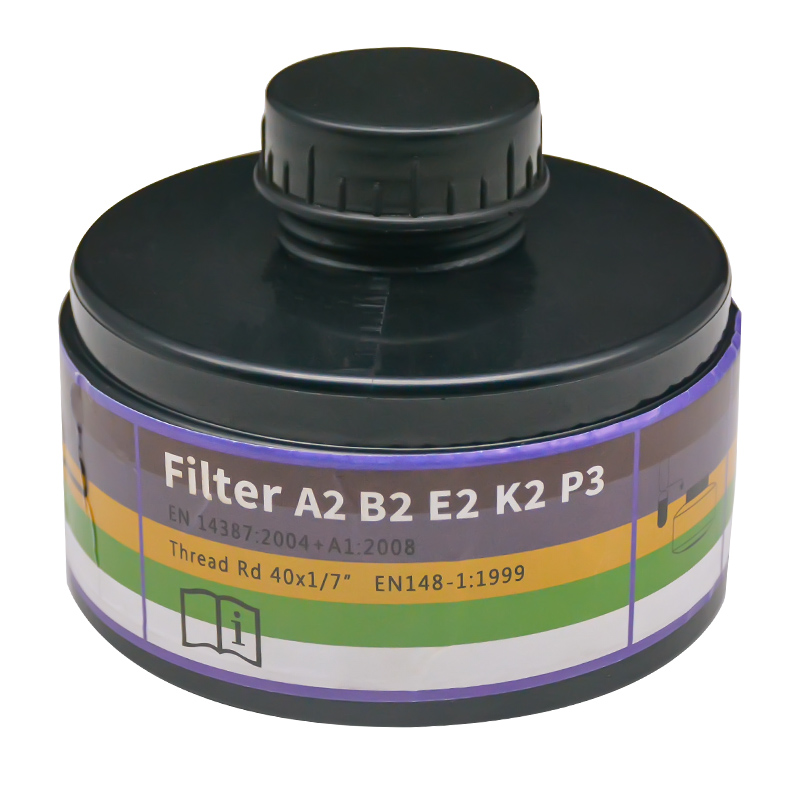
Recently, NEW AIR has released the independently developed A2B2E2K2P3 filter canister, which has been exclusively adapted to the company's self-developed Powered Air-Purifying Respirator (PAPR), forming an integrated respiratory protection solution. This filter canister provides protection against organic gases (Class A2), inorganic gases (Class B2), acidic gases (Class E2), ammonia and its derivatives (Class K2), and also has the capability to filter highly toxic particulates (Class P3), complying with the EN 14387:2004+A1:2008 standard. It can be conveniently adapted to NEW AIR papr system kit via the Rd 40x1/7” thread (EN148-1:1999), ensuring smooth breathing while establishing a dual protection barrier against “gases + particulates”. In scenarios such as chemical production, fire fighting, and pharmaceutical manufacturing, this combination can effectively address exposure risks to various toxic media, such as gas leaks in chemical zones, toxic fumes at fire sites, and volatile pollutants in pharmaceutical workshops, providing reliable protection for the respiratory safety of operators. The adaptive solution of the independently developed filter canister and papr air purifier this time is a key step for NEW AIR in the process of independent development of core respiratory protection components, achieving the matching capability from core components to equipment systems. In the future, NEW AIR will continue to focus on optimizing product performance and provide more practical respiratory protection products for various industries.If you want know more, please click www.newairsafety.com.
Read More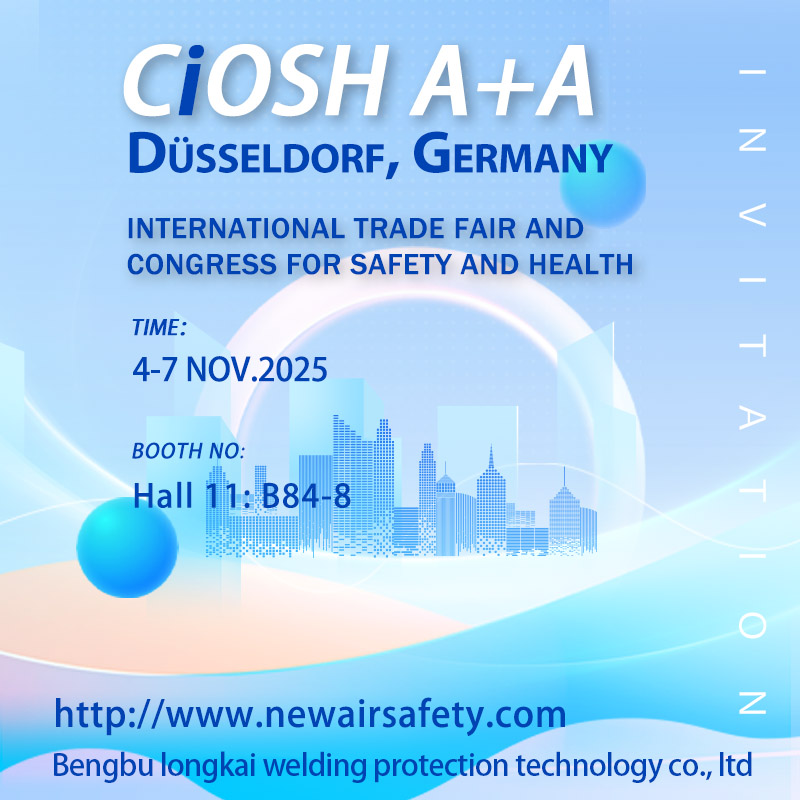
After its debut at Germany’s Essen Exhibition in September, NEW AIR will showcase its new-generation Powered Air-Purifying Respirator at CIOSH A+A in Düsseldorf. This second German exhibition trip in months highlights its focus on the European market and global brand expansion. NEW AIR’s papr system is the star exhibit. It uses a high-efficiency system to draw and filter air (trapping over 99.97% harmful particles via HEPA-grade filters), with 30% better protection than traditional masks. Its lightweight design and adjustable hood also solve issues like stuffiness during long wear, fitting high-intensity jobs such as chemical engineering and metallurgy. A+A 2025 (the 32nd biennial show) will gather 1,930 exhibitors from 63 countries (57% overseas). A parallel "Occupational Safety Innovation Seminar" will cover topics like smart protective gear, serving as a key industry exchange platform. "Our two German trips reflect confidence in our powered air respirator and response to European needs," said NEW AIR’s international business lead. "We want to learn from local clients and explore tech collaboration." This show marks NEW AIR’s deeper push into Europe. With PAPR’s launch there, it aims to grow global market share and bring Chinese protective tech solutions to the world.If you want to know more, please click www.newairsafety.com.
Read More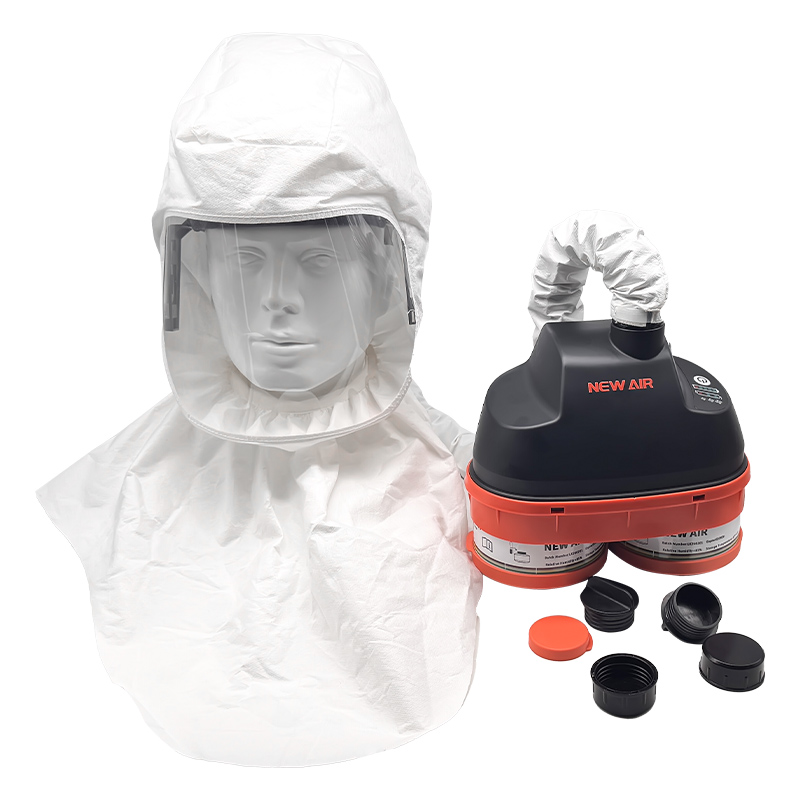
In the automotive painting process, materials like paints, thinners, and curing agents release large amounts of organic vapors (e.g., benzene series, esters, ketones) along with paint mist particles. As a core component of personal protective equipment (PPE), air purifying respirator (APR) cartridges directly determine respiratory safety. Below is a detailed breakdown tailored to the automotive painting industry: I. Core Functions & Target Contaminants 1. Key Hazards in Automotive Painting Primary toxic and harmful substances: Volatile Organic Compounds (VOCs): Emitted from solvent-based paints and thinners (e.g., toluene, xylene, ethyl acetate, acetone); Paint Mist Particles: Liquid paint droplets generated during spraying (typically 0.1-10μm in diameter); Trace Acidic Gases: Small amounts of organic acids released during the curing of some water-based coatings. Core Functions: Adsorb toxic organic vapors + filter paint mist particles, preventing dizziness, respiratory irritation, and reducing long-term occupational disease risks. 2. Common PAPR Cartridge Types for Automotive Painting (Classified by EN 14387) Type Core Protection Scope Suitable Automotive Painting Scenarios Type A (Organic Vapors) Organic compounds with boiling points >65℃ (e.g., toluene, xylene, methyl ethyl ketone) Solvent-based paint spraying (most widely used) Type AX (Low-Boiling Organic Vapors) Organic compounds with boiling points ≤65℃ (e.g., acetone, methanol, methyl acetate) Spraying with high thinner ratios, auxiliary solvent protection for water-based coatings Type A2B2E2K2 (Multi-Effect Composite) Organic vapors + acidic gases + alkaline gases Mixed solvent spraying, complex coating applications (e.g., with amino curing agents) Composite with Pre-Filter Layer Organic vapors + paint mist particles Spraying scenarios without independent paint mist filters (integrated dust filtration) II. Structural Design (Adapted to High-Frequency Spraying Needs) Pre-Filter Layer: Made of fiber felt or electrostatic adsorption materials, it traps paint mist particles to avoid clogging the inner adsorbent layer (replaceable separately to reduce usage costs); Adsorbent Layer: Core material is high-specific-surface-area activated carbon (some impregnated with chemical agents like copper or silver ions). It captures organic vapors through physical adsorption and chemical reactions. Automotive painting-specific cartridges typically have a thickened adsorbent layer (15-20mm) compared to standard industrial models (8-12mm), enhancing VOC adsorption capacity; Support Layer: Non-woven fabric or metal mesh that secures the adsorbent and prevents material loosening due to air flow impact. III. Key Selection Criteria for the Industry (Avoid Mismatch & Protection Failure) 1. Match by Coating Type Solvent-Based Coatings (mainstream scenario): Prioritize Type A1/A2 cartridges (A2 grade has twice the adsorption capacity of A1, suitable for long-hour spraying); Water-Based Coatings: Choose Type AX + pre-filter layer (water-based coating solvents are mostly low-boiling alcohols and ethers, requiring AX-grade coverage); Two-Component Coatings (e.g., polyurethane paints): Select Type A2K2 (curing agents may release trace alkaline gases). 2. Air Flow Compatibility (Linked to Spraying Intensity) For Manual Respirators: Compatible with air flow 10-30 L/min (sufficient for daily manual spraying); For Powered Air-Purifying Respirators (PAPRs, e.g., BXH-3001): Choose high-flow dedicated cartridges (adaptable to 170-250 L/min) with higher adsorbent density to avoid rapid saturation under high air flow (addressing the pain point of PAPR usage mentioned earlier). 3. Certification Requirements Mandatory Standards: Comply with EU EN 14387:2004+A1:2010 or Chinese GB 2890-2019; Additional Industry Focus: Low breathing resistance design (for comfort during long-hour wear) and moisture resistance (to prevent activated carbon failure in high-humidity spray booths). IV. Usage & Maintenance Tips (Extend Lifespan & Ensure Safety) 1. Replacement Cycle (Reference for Automotive Painting) Routine Scenarios: For solvent-based paint spraying (3-4 working hours/day), Type A2 cartridges last 7-10 days (30% longer than A1); High-Concentration Scenarios (e.g., enclosed spray booths, high solvent ratios): Replace every 3-5 days; For High-Flow PAPRs: Shorten to 4-6 days (or replace immediately upon device alarm); Critical Indicators for Replacement: Replace immediately if odors are detected, breathing resistance increases significantly, or the device alarms (even if the estimated cycle is not reached). 2. Storage & Usage Guidelines <div style="color: #1f2329; font-variant-numeric: normal; font-variant-east-asian: normal; font-variant-alternates: normal; font-size-adjust: none; font-language-override: normal; font-kerning: auto; font-optical-sizing: auto; font-feature-settings: normal; font-variation-settings: normal; font-variant-position: normal; font-variant-emoji: normal; font-stretch: normal; font-family: ui-sans-serif, system-ui, sans-serif, 'Apple Color Emoji', 'Segoe
Read MoreIf you’re used to getting 20-30 days of use from an A1 filter cartridge during manual breathing (3-4 hours per day) but find it alarms after just 4 hours with the BXH-3001 Powered Air-Purifying Respirator (PAPR), you’re not alone. This common feedback raises a critical question: Why the dramatic difference in filter lifespan? Let’s break down the science behind it, address the root causes, and share practical solutions to optimize your PAPR experience. The Core Reason: Airflow Volume Changes Everything First, let’s clarify a key distinction between manual breathing and PAPR-assisted respiration: airflow rate. When breathing manually, the average adult inhales about 10-15 liters per minute (L/min) at rest, and up to 20-30 L/min during light to moderate work. Over 3-4 hours of daily use, this adds up to roughly 1,800-3,600 liters of air passing through the filter—explaining why your A1 cartridge lasts 20-30 days. In contrast, the BXH-3001 PAPR delivers a constant, powerful airflow: 170 L/min on Level 1 and 210 L/min on Level 2. In just 4 hours, the filter processes 40,800 liters (Level 1) or 50,400 liters (Level 2) of air—11-28 times more air than manual breathing over the same period! A1 filters are designed to adsorb specific contaminants (organic vapors with boiling points above 65°C, per EN 14387 standards) at a fixed capacity. When exposed to exponentially higher airflow, the filter’s adsorbent material becomes saturated much faster, triggering the PAPR’s alarm to protect you from unfiltered air. This isn’t a flaw—it’s the machine’s safety mechanism working as intended. Key Factors That Amplify Filter Consumption Beyond airflow, two additional factors can shorten your A1 filter’s lifespan with the BXH-3001: Contaminant Concentration: If your workspace has higher levels of organic vapors (e.g., solvents, paints, or fuels), the filter will saturate faster—regardless of airflow. Manual breathing may expose you to lower concentrations due to natural ventilation or reduced air intake, while the PAPR’s forced airflow pulls in more contaminants. Filter Compatibility: Not all A1 filters are engineered for high-flow PAPRs. Standard A1 cartridges for manual respirators may lack the adsorbent density or bed depth needed to handle 170-210 L/min. Using a filter not rated for high airflow accelerates saturation. 4 Practical Solutions to Extend Filter Lifespan If you want to balance the BXH-3001’s superior protection with longer filter life, try these actionable steps: 1. Choose High-Flow-Rated A1 Filters Opt for A1 filter cartridges specifically designed for PAPRs with airflow up to 250 L/min. These filters feature thicker adsorbent layers or advanced materials (e.g., activated carbon with higher surface area) to handle increased air volume without rapid saturation. Look for certifications like EN 14387:2004+A1:2010 to ensure compatibility. 2. Adjust Airflow Levels Based on Workload Use the BXH-3001’s 2-speed settings strategically: Level 1 (170 L/min): Ideal for low to moderate contamination (e.g., well-ventilated workspaces, light solvent use). This reduces airflow by ~20% compared to Level 2, extending filter life while maintaining OSHA/EU minimum airflow requirements (≥160 L/min for PAPRs). Level 2 (210 L/min): Reserve for high-contamination or strenuous work (e.g., confined spaces, heavy painting). Only use this setting when necessary to avoid unnecessary filter wear. 3. Monitor Contaminant Levels & Ventilate Use a gas detector to measure organic vapor concentrations in your workspace. If levels are low, increase natural or mechanical ventilation to reduce the filter’s workload. Schedule tasks involving high contaminant levels during times of better ventilation (e.g., morning hours with open windows) to minimize filter saturation. 4. Properly Store & Maintain Filters Store unused A1 filters in a sealed container away from moisture, heat, and contaminants—exposure to these can reduce their pre-use lifespan. Replace filters immediately when the PAPR alarms, but also inspect them regularly for physical damage (e.g., cracks, clogs) that could restrict airflow and falsely trigger alarms. The Bottom Line: Safety First, Efficiency Second The BXH-3001’s shorter filter life with A1 cartridges is a tradeoff for its core benefit: constant, filtered airflow that eliminates breathing resistance and ensures maximum protection. Unlike manual respirators, which rely on your lung capacity to pull air through the filter, the PAPR delivers a steady supply of clean air—critical for long shifts or strenuous work. By choosing the right filter, adjusting airflow settings, and managing your workspace environment, you can extend filter lifespan without compromising safety. If you’re still experiencing unusually short filter life, our technical team can help assess your specific use case (e.g., contaminant type, workspace conditions) and recommend tailored solutions.
Read More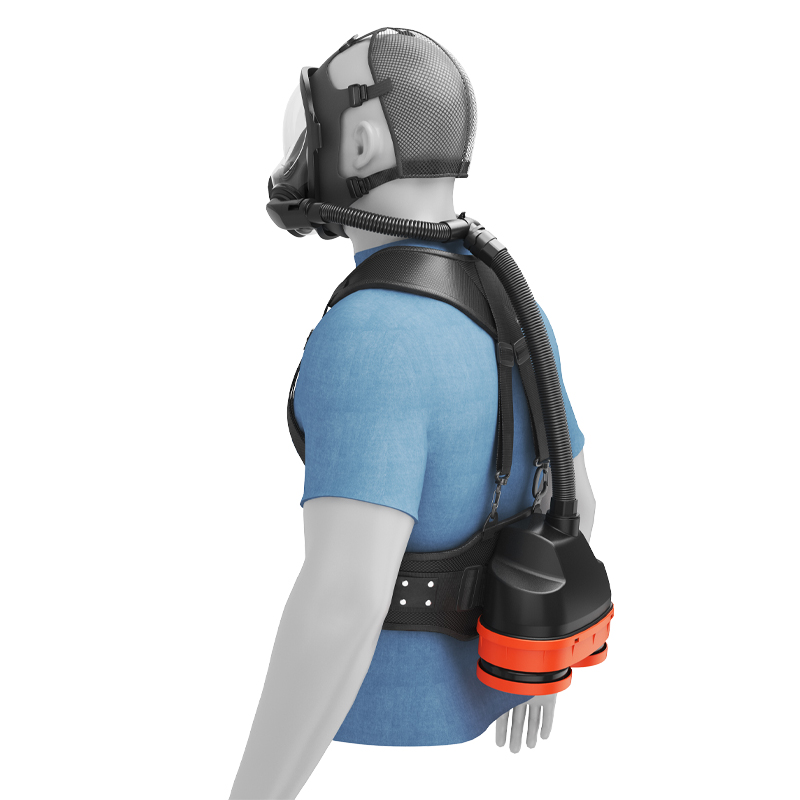
Lead-acid battery manufacturing and lead recycling are high-risk operations, with pervasive lead-containing pollutants such as lead fumes (particle size ≤0.1μm), lead dust (particle size >0.1μm), and sulfuric acid mist in certain processes. These contaminants pose severe threats to workers' respiratory health—chronic lead inhalation can cause irreversible damage to the nervous system, kidneys, and hematopoietic system, while sulfuric acid mist irritates the respiratory tract and corrodes tissues. Papr system with their positive-pressure design that minimizes leakage and reduces breathing fatigue during long shifts, outperform traditional negative-pressure respirators in high-exposure scenarios and have become indispensable protective equipment in these industries. In lead-acid battery manufacturing, papr system kit selection must match the specific risks of each process. Lead powder preparation, paste mixing, and plate casting generate high concentrations of lead dust and fumes, requiring high-efficiency particulate-filtering PAPRs paired with HEPA filters (filtering efficiency ≥99.97% for 0.3μm particles) to capture fine lead particles. For automated production lines with moderate dust levels, air-fed hood-type PAPRs are ideal—they eliminate the need for facial fit testing, enhance comfort during 6-8 hour shifts, and integrate seamlessly with protective clothing. In the formation process where sulfuric acid mist is prevalent, combined-filtering PAPRs (dual filtration for particulates and acid gases) are mandatory, using chemical adsorption elements to neutralize acidic vapors and prevent corrosion of respiratory tissues. Lead recycling processes such as battery crushing, desulfurization, and smelting present more complex risks, demanding specialized powered air respirator tailored to the scenario. Mechanical crushing and sorting release mixed lead dust and plastic particles, requiring durable PAPRs with reliable filtration systems and dust-proof enclosures (IP65 protection rating recommended) to withstand harsh operating environments. Smelting operations produce high-temperature lead fumes, sulfur dioxide, and in some cases, dioxins, thus necessitating heat-resistant combined-filtering PAPRs with dual filter elements. These systems must filter both particulates and toxic gases, and the hood design should be resistant to thermal deformation and compatible with flame-retardant protective gear for comprehensive safety. Practical details in daily use directly affect the protective effectiveness of PAPRs and worker compliance. For mobile operations (e.g., on-site recycling), battery-powered portable PAPRs are preferred, equipped with replaceable batteries to ensure uninterrupted protection throughout an 8-hour workday. Equipment materials must be resistant to common disinfectants such as hydrogen peroxide to facilitate daily decontamination and avoid cross-contamination between shifts. Regular maintenance is indispensable: particulate filters should be replaced promptly when resistance increases, gas filters within 6 months of opening, and PAPR systems calibrated quarterly to ensure positive pressure and air flow rate (minimum 95 L/min for full-face models) comply with standard requirements. Beyond equipment selection, establishing a comprehensive respiratory protection system is equally critical. Priority should be given to automated processes and enclosed systems to reduce exposure at the source, with PAPRs serving as the key final line of defense. By integrating standard-compliant, process-adapted PAPRs with sound safety protocols, lead-acid battery manufacturing and lead recycling enterprises can protect worker health, meet regulatory requirements, and promote sustainable industry practices.If you want know more, please click www.newairsafety.com.
Read More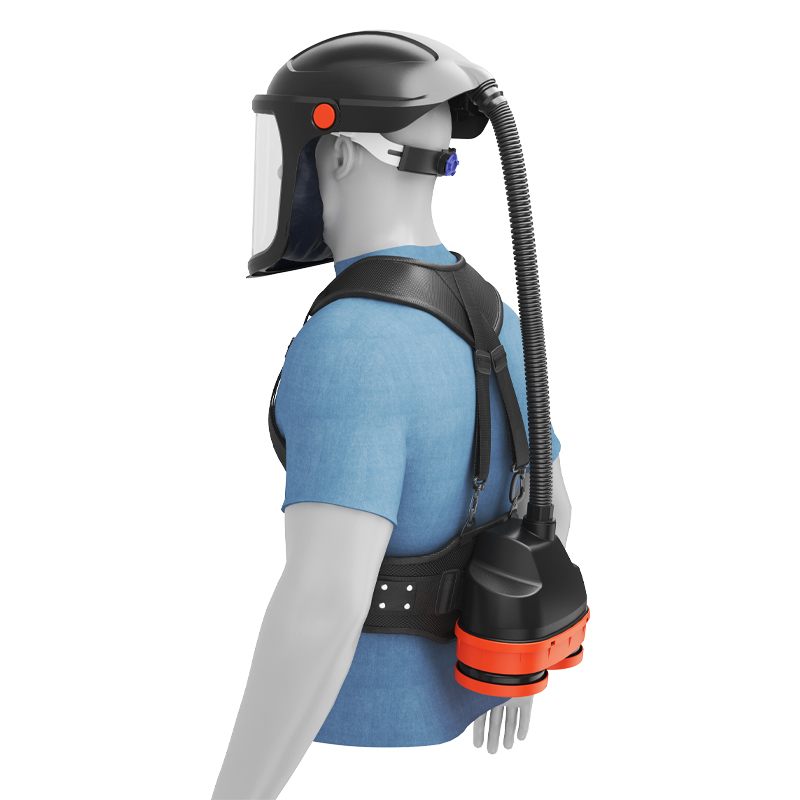
Demolition work involves complex and variable environments. From breaking down walls of old buildings to dismantling industrial facilities, pollutants such as dust, harmful gases, and volatile organic compounds (VOCs) are pervasive, placing extremely high demands on respiratory protection for workers. battery powered respirator have become core protective equipment in demolition work due to their advantages of positive pressure protection and low breathing load. However, not all PAPRs are suitable for all scenarios; selecting the right type is essential to build a solid line of defense for respiratory safety. Compared with traditional negative-pressure respirators, PAPRs actively deliver air through an electric fan, which not only reduces breathing fatigue during high-intensity operations but also prevents pollutant leakage through the positive pressure environment inside the mask, significantly improving protection reliability. For general dust-generating demolition operations, particulate-filtering PAPRs are preferred. Such operations commonly involve the demolition of concrete, masonry, wood, and other components, with respirable dust—especially PM2.5 fine particles—as the primary pollutant. Long-term inhalation can easily induce pneumoconiosis. When selecting a model, high-efficiency particulate filters should be used, and the mask can be chosen based on operational flexibility needs. For open-air scenarios such as ordinary wall breaking and floor demolition, air-fed hood-type PAPRs are more suitable. They do not require a facial fit test, offer strong adaptability, and can also provide head impact protection. For narrow workspaces with extremely high dust concentrations, it is recommended to use tight-fitting full-face PAPRs, which have a minimum air flow rate of no less than 95L/min, forming a tight seal on the face to prevent dust from seeping through gaps. For demolition operations involving harmful gases, combined-filtering PAPRs are required. During the demolition of old buildings, volatile organic compounds such as formaldehyde and benzene are emitted from paints and coatings, while the dismantling of industrial facilities may leave toxic gases such as ammonia and chlorine. In such cases, a single particulate-filtering PAPR cannot meet protection needs. Dual-filter elements (particulate + gas/vapor) should be used, with precise selection based on pollutant types: activated carbon filter cartridges for organic vapors, and chemical adsorption filter elements for acid gases. For these scenarios, positive-pressure tight-fitting PAPRs are preferred. Combined with forced air supply, they not only effectively filter harmful gases but also reduce pollutant residue inside the mask through continuous air supply, while avoiding poisoning risks caused by mask leakage. Special scenarios require targeted selection of dedicated loose fitting powered air purifying respirators. Demolishing asbestos-containing components is a high-risk operation—once inhaled, asbestos fibers cause irreversible lung damage. PAPRs complying with asbestos protection standards should be used, paired with high-efficiency HEPA filters. Additionally, hood-type designs must be adopted to avoid fiber leakage due to improper wearing of tight-fitting masks. Meanwhile, the hood should be used with chemical protective clothing to form full-body protection. For demolition in confined spaces such as basements and pipe shafts, oxygen levels must first be tested. If the oxygen concentration is not less than 19% (non-IDLH environment), portable positive-pressure PAPRs can be used with forced ventilation systems. If there is a risk of oxygen deficiency, supplied-air respirators must be used instead of relying on PAPRs. PAPR selection must balance compliance with standards and operational practicality. Adjustments should also be made based on labor intensity: most demolition work is moderate to high intensity, so Powered Air Purifying Respirator TH3 are more effective in reducing breathing load, preventing workers from removing protective equipment due to fatigue. Battery life must match operation duration—for long-term outdoor operations, replaceable battery models are recommended to ensure uninterrupted protection. Furthermore, filter elements must be replaced strictly on schedule: gas filter cartridges should be replaced within 6 months of opening, or immediately if odors occur or resistance increases, to avoid protection failure. Finally, it should be noted that PAPRs are not universal protective equipment, and their use must be based on a comprehensive risk assessment. Before demolition work, on-site testing should be conducted to identify pollutant types, concentrations, and environmental characteristics, followed by selecting the appropriate PAPR type for the scenario. Only by selecting and using PAPRs correctly can we build a reliable barrier for respiratory health in complex demolition work, balancing operational efficiency and safety protection.If you want know more, please click www.newairsafety.com.
Read More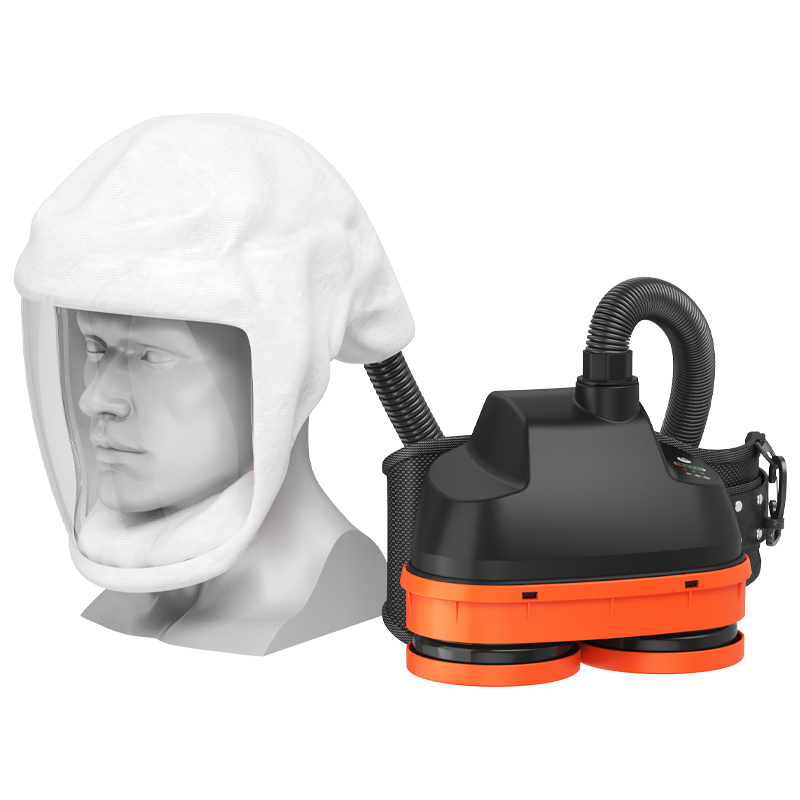
In air purification respirator application scenarios, most users focus more on filtration efficiency and protection level, but often overlook the potential impact of air inlet modes on actual operations. this article focuses on the differences of front, side and back air inlet modes in wearing adaptability, scenario compatibility, energy consumption control and special population adaptation from the perspective of on-site operational needs. The choice of air inlet mode is not only related to protection effect but also directly affects operational continuity, equipment loss rate and employees' acceptance of the equipment. Its importance becomes more prominent especially in scenarios with multiple working condition switches and long-term operations. The core competitiveness of front air inlet PAPR lies in lightweight adaptation and emergency scenario compatibility, rather than simple air flow efficiency. This design concentrates the core air inlet and filter components in front of the head, with the overall equipment weight more concentrated and the center of gravity forward, adapting to most standard head shapes without additional adjustment of back or waist load, being more friendly to workers who are thin or have old back injuries. In emergency rescue, temporary inspection and other scenarios, the front air inlet PAPR has significant advantages in quick wearing; without cumbersome hose connection, it can be worn immediately after unpacking, gaining time for emergency disposal. However, potential shortcomings cannot be ignored: the forward center of gravity may cause neck soreness after long-term wearing, especially when used with safety helmets, the head load pressure is concentrated, making it unsuitable for continuous operations of more than 8 hours; at the same time, the front air inlet is easily blown back by breathing air flow, leading to moisture condensation on the surface of the filter unit, which is prone to mold growth in high-humidity environments, affecting filter service life and respiratory health. The core advantage of side air inlet PAPR is multi-equipment coordination adaptability and air flow comfort, which is the key to its being the first choice for comprehensive working conditions. In industrial scenarios, workers often need to match safety helmets, goggles, communication equipment and other equipment. The arrangement of the side air inlet unit can avoid the equipment space in front of and on the top of the head, prevent mutual interference, and not affect the wearing stability of the safety helmet. Compared with the direct air flow of the front air inlet, the side air inlet can achieve "face-surrounding air supply" through a flow guide structure, with softer air flow speed, avoiding dryness caused by direct air flow to the nasal cavity and eyes, and greatly improving tolerance for long-term operations. Its limitations are mainly reflected in bilateral adaptability: single-side air inlet may lead to uneven head force, while double-side air inlet will increase equipment volume, which may collide with shoulder protective equipment and operating tools; in addition, the flow guide channel of the side air inlet unit is narrow; if the filtration precision of the filter unit is insufficient, impurities are likely to accumulate at the flow guide port, affecting air flow smoothness. The core value of back air inlet papr air purifier lies in extreme working condition adaptation and equipment loss control, especially suitable for high-frequency and high-intensity operation scenarios. Integrating core components such as air inlet, power and battery into the back, only a lightweight hood and air supply hose are retained on the head, which not only completely frees up the head operation space but also avoids collision and wear of core components during operation, significantly reducing equipment maintenance and replacement costs. The weight of the back component is evenly distributed; matched with adjustable waist belt and shoulder straps, it can disperse the load to the whole body. Compared with front and side air inlets, it is more suitable for long-term and high-intensity operations. Moreover, the long back air flow path can be equipped with a simple heat dissipation structure to alleviate equipment overheating in high-temperature environments. However, this mode has certain requirements for the working environment: the back component is relatively large, unsuitable for narrow spaces, climbing operations and other scenarios; as the core connection part, if the hose material has insufficient toughness, it is prone to bending and aging during large limb movements, and dust is easy to accumulate on the inner wall of the hose, making daily cleaning more difficult than front and side air inlet equipment. The core logic of selection is the adaptive unity of "human-machine-environment", rather than the optimal single performance. If the operation is mainly temporary inspection and emergency disposal with high personnel mobility, front air inlet PAPR should be preferred to balance wearing efficiency and lightweight needs; for regular industrial operations requiring multiple protective equipment and long operation time, side air inlet is the choice balancing comfort and coordination; for high-frequency, high-intensity operations with strict requirements on equipment loss control, back air inlet is more cost-effective. In addition, special factors should be considered: front air inlet should be avoided in high-humidity environments to prevent moisture condensation; back air inlet should be excluded in narrow space operations, and lightweight front or side air inlet should be preferred; for scenarios with high communication needs, side air inlet is easier to coordinate with communication equipment. The iterative design of papr respirator air inlet modes is essentially the in-depth adaptation to operational scenario needs. From the initial front air inlet to meet basic protection, to the side air inlet balancing comfort and coordination, and then to the back air inlet adapting to extreme working conditions, each mode has its irreplaceable value. For enterprises, selection should not only focus on equipment parameters but also combine feedback from front-line workers and detailed differences of operation scenarios, so that PAPR can become an assistant to improve operational efficiency rather than a burden while ensuring safety. In the future, with the popularization of modular design, switchable air inlet modes may become mainstream, further breaking the scenario limitations of a single air inlet mode.If you want know more, please click www.newairsafety.com.
Read More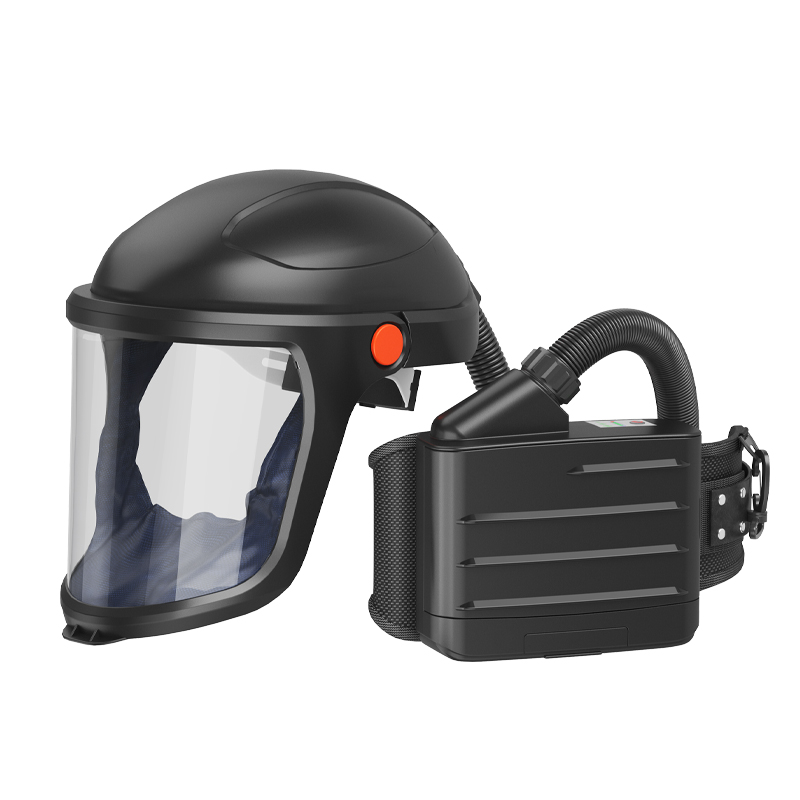
Positive pressure powered respirator serve as core protective equipment in high-risk work scenarios. Leveraging active positive-pressure air supply technology, they not only ensure breathing safety but also significantly reduce operational fatigue, being widely used in chemical, nuclear, metal processing, mining and other industries. As one of the core designs of PAPR, the air inlet mode directly affects air flow stability, protection reliability, wearing comfort and environmental adaptability, among which front, side and back air inlets are mainstream configurations. Different air inlet modes are suitable for different work scenarios with distinct advantages and disadvantages; rational selection is key to improving protection efficiency and operational experience. The front air inlet mode is a common choice for basic powder air purifying respirator due to its direct air flow delivery, with core advantages of short air flow path and low loss. This mode usually integrates the air inlet and filter unit in front of the mask or hood. After filtration, external air can be directly delivered to the breathing area, quickly establishing and maintaining a positive pressure environment inside the mask to effectively prevent pollutants from seeping through gaps, especially suitable for scenarios requiring fast protection response. Meanwhile, the front air inlet features a relatively simple structural design, facilitating easy disassembly and assembly of the filter unit, low daily maintenance costs, and the air flow can directly take away facial heat and moisture, alleviating stuffiness in high-temperature environments. However, it has obvious shortcomings: the protruding filter unit at the front may block the field of vision, affecting spatial judgment in precision operations or complex working conditions; the air inlet is directly exposed to the working environment, vulnerable to damage from splashes and dust impacts, or reduced filtration efficiency due to oil stains and sticky dust adhesion, making it unsuitable for welding, grinding and other scenarios with splash risks. The side air inlet is a balanced solution that combines practicality and adaptability, being most widely used in industrial scenarios. Its core feature is arranging the air inlet unit on the side of the hood or mask, achieving uniform air flow distribution through a flow guide structure. It not only avoids blocking the front field of vision but also reduces the impact of external shocks on the air inlet system. The side air inlet offers more stable air flow; by optimizing the angle of the flow guide plate , clean air can cover the entire breathing area, reducing local air flow dead zones and minimizing discomfort caused by direct air flow to the face, suitable for long-term high-intensity operations. In addition, the weight distribution of the side air inlet unit is more uniform; when matched with a waist-mounted power module, it can balance head load and improve wearing comfort. Its disadvantages lie in a more complex structure than the front air inlet, requiring high precision in the design of the flow guide plate; unreasonable angles may form eddy currents and increase breathing resistance; single-side air inlet may lead to uneven air flow distribution on both sides, and the protruding side part may interfere with operating equipment and narrow spaces, affecting operational flexibility. The back air inlet mode focuses on extreme environment adaptability and operational freedom, mostly used in scenarios with limited space, high pollution or special operational requirements. Its greatest advantage is completely freeing up the space in front of and on the sides of the head. The air inlet unit is usually integrated with the power module and battery into a back backpack or waist belt assembly, supplying air to the hood through a hose without affecting the field of vision and limb movements, especially suitable for welding, narrow space maintenance, heavy equipment operation and other scenarios. The back air inlet unit is minimally affected by external interference, effectively avoiding direct erosion by splashes and dust, extending the service life of the filter unit. Moreover, the weight is concentrated on the back or waist, minimizing head load and significantly improving comfort during long-term wearing. Meanwhile, the long air flow path at the back enables air pre-cooling, alleviating stuffiness in high-temperature environments. However, the back air inlet has obvious limitations: the long air flow path results in slightly higher air supply resistance than front and side air inlets, requiring higher fan power and consuming more energy; the hose connection is prone to twisting and pulling during large limb movements, affecting air flow stability, and hose damage and air leakage may occur in extreme cases; maintenance convenience is poor, as the back module needs to be removed to replace the filter element, making it unsuitable for high-dust scenarios requiring frequent filter replacement. Selection should be based on comprehensive judgment of work scenarios, labor intensity and environmental risks, rather than simply pursuing a single advantage. For low-dust concentration, short-term operations with general vision requirements, front air inlet papr respirator can be selected to balance cost and basic protection; for medium dust concentration, long-term operations involving precision work, side air inlet is the optimal solution, balancing vision, comfort and protection stability; for high-concentration pollution, narrow spaces, splash risks or heavy operations, back air inlet is recommended to maximize operational freedom and equipment durability. In addition, regardless of the air inlet mode selected, filter units complying with GB30864-2014 standard should be used, and air flow pressure and equipment tightness should be regularly inspected to ensure continuous and effective positive pressure protection performance. The core of PAPR air inlet mode design is essentially balancing protection reliability, wearing comfort and scenario adaptability. In the future, combined with intelligent air flow regulation and lightweight design, PAPR air inlet systems will further break through existing limitations and upgrade in extreme environment protection and long-term operation comfort. If you want know more, please click www.newairsafety.com.
Read More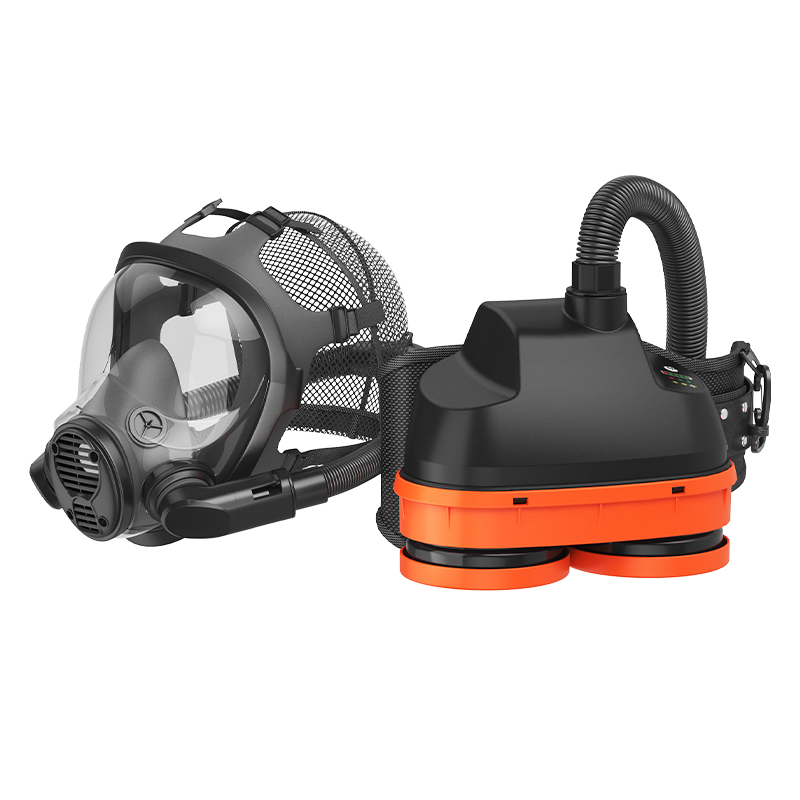
Refineries have a long process chain and complex operating scenarios, with significant differences in respiratory hazards faced by different occupations—some need to cope with flammable and explosive environments, some have to resist "dust-toxin composite" pollution, and others only need to prevent dust intrusion. The core of selecting purifying respirator is "matching risks on demand". The following combines the core occupations in refineries to clarify the applicable scenarios of various types of PAPR, providing a reference for enterprises to accurately configure protective equipment. Explosion-Proof PAPR: Suitable for high-risk occupations in flammable and explosive environments. Scenarios such as hydroprocessing units, reforming units, gasoline/diesel storage tank areas, and confined space operations in refineries contain flammable and explosive gases such as hydrogen sulfide, methane, and benzene series, which belong to explosive hazardous areas (e.g., Zone 1, Zone 2). Occupations in such scenarios must use PAPR that meets explosion-proof certification. Typical occupations include: Hydroprocessing Unit Maintenance Workers (responsible for opening and maintaining reactors and heat exchangers, with high concentrations of hydrogen and hydrogen sulfide in the environment), Storage Tank Cleaning Workers (working inside crude oil tanks and finished product tanks, where residual oil and gas in the tanks are prone to forming explosive mixtures), Catalytic Cracking Unit Operators (patrolling the reaction-regeneration system, with the risk of oil and gas leakage), and Confined Space Workers (working in enclosed spaces such as reactors, waste heat boilers, and underground pipelines). Such PAPR must have ATEX or IECEx intrinsic safety explosion-proof certification, and core components such as motors and batteries need to isolate electric sparks to avoid causing explosion accidents. Gas + Dust Filtering Composite respiratory papr: Main type for occupations facing "coexistence of dust and toxins" scenarios. Most process links in refineries simultaneously generate toxic gases and dust, forming "dust-toxin composite" pollution. Occupations in such scenarios need to select composite PAPR with "high-efficiency dust filtration + dedicated gas filtration". Typical occupations include: Catalytic Cracking Unit Decoking Workers (a large amount of catalyst dust is generated during decoking, accompanied by leakage of VOCs and hydrogen sulfide in cracked gas), Asphalt Refining Workers (toxic gases such as benzopyrene are released during asphalt heating, along with asphalt fume), Sulfur Recovery Unit Operators (there is a risk of sulfur dioxide and hydrogen sulfide leakage when treating sulfur-containing tail gas, accompanied by sulfur dust), and Spent Catalyst Handlers (dust is pervasive when handling and screening spent catalysts, and the catalysts may contain heavy metal toxic components). Dust-Only Filtering PAPR: Suitable for occupations with no toxic gases and only dust pollution. In some auxiliary or subsequent processes of refineries, the operating environment only generates dust without the risk of toxic gas leakage. At this time, selecting a simple dust-filtering powered respirators can meet the protection needs while ensuring wearing comfort. Typical occupations include: Oil Transfer Trestle Inspectors (crude oil impurity dust is generated during crude oil loading and unloading, with no toxic gas release), Boiler Ash Cleaning Assistants (cleaning ash in the furnace of coal-fired or oil-fired boilers, where the main pollutants are fly ash and slag dust), Lubricating Oil Blending Workshop Operators (lubricating oil dust is generated during the mixing of base oil and additives, with no toxic volatiles), and Warehouse Material Handlers (packaging dust is generated when handling bagged catalysts and adsorbents, and the working area is well-ventilated with no accumulation of toxic gases). Supplementary Note: Some occupations need to flexibly adapt to multiple types of PAPR. For example, equipment maintenance fitters in refineries may need to enter confined spaces for explosion-proof operations (using explosion-proof PAPR) and also perform ash cleaning and maintenance outside equipment (using simple dust-filtering PAPR); when instrument maintenance workers operate in different plant areas, they need to use composite PAPR if maintaining toxic gas leakage points, and may use simple dust-filtering PAPR only for routine inspections. Therefore, in addition to basic configuration by occupation, enterprises also need to dynamically adjust the type of PAPR according to the risk assessment results before operation to ensure precise protection. In summary, PAPR selection in refineries is not a "one-size-fits-all" approach, but focuses on "hazard identification", distinguishing three core types (explosion-proof, composite gas and dust filtering, and simple dust filtering) based on the type of hazards in the occupational operating scenarios. Accurate selection can not only ensure the respiratory safety of workers but also reduce the use cost of protective equipment and improve operational efficiency, building a solid line of defense for the safe production of enterprises.If you want know more, please click www.newairsafety.com.
Read More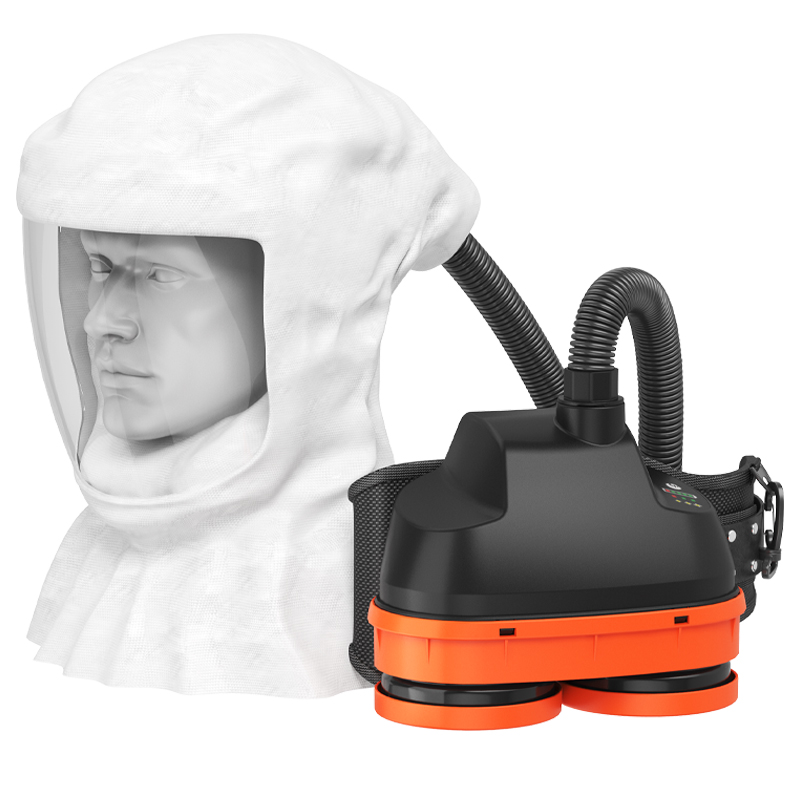
In the petroleum refining industry, the high-temperature, high-pressure, and continuous reaction process characteristics mean that the operating environment is always surrounded by multiple occupational health risks. From cracking furnace decoking to hydroprocessing unit maintenance, from confined space operations to daily inspections, toxic and harmful substances such as hydrogen sulfide, benzene series, and heavy metal catalyst dust are ubiquitous. Respiratory protection has become the first and most important line of defense to ensure the life safety of workers. As an efficient respiratory protection equipment, full face papr respirator is no longer an optional "bonus item" but a "standard configuration" for safe production in refineries; more importantly, due to the great differences in hazards across operating scenarios, refineries must also adapt multiple types of PAPR to achieve precise protection and fully build a solid safety line of defense. The respiratory hazards in refineries are complex and fatal, and traditional protective equipment is difficult to handle. During crude oil processing, highly toxic gases such as hydrogen sulfide and ammonia are produced. Hydrogen sulfide has the smell of rotten eggs at low concentrations, but at high concentrations, it can quickly paralyze the olfactory nerves, leading to "flash" coma or even death. At the same time, the "dust-toxin composite" pollution formed by the mixture of volatile organic compounds (VOCs) such as benzene and toluene with catalyst dust further increases the difficulty of protection. Traditional self-priming gas masks rely on passive adsorption and filtration, with limited protective capacity of the gas filter cartridge. They are prone to instantaneous penetration in high-concentration or complex mixture environments, and have high breathing resistance. Long-term wear can make workers exhausted, greatly reducing operational safety. The active air supply and continuous positive pressure design of PAPR fundamentally improves protection reliability and lays the foundation for its adaptation to multiple scenarios. Different from traditional protective equipment, PAPR actively supplies air through a battery-driven fan, which can maintain a stable positive pressure environment inside the mask or hood—even if minor sealing gaps are caused by facial movements, clean air will overflow outward, completely blocking the infiltration path of toxic and harmful substances. A more core advantage lies in its modular filtration system: it is this design that allows positive airflow respirator to accurately select and match filter components according to the risk assessment results of different operations, thereby deriving multiple adaptive types and achieving precise protection of "one equipment for one scenario". This is also the key technical support for refineries to must use multiple types of PAPR. The diversity of operating scenarios and the difference in hazards in refineries directly determine the need to use multiple types of PAPR. From the perspective of hazard types, there are highly toxic gases such as hydrogen sulfide and benzene series, particulate matter such as catalyst dust and asphalt fume, and more complex "dust-toxin composite" pollution; from the perspective of environmental characteristics, there are both ordinary inspection areas and flammable and explosive hazardous areas such as confined spaces and storage tank areas. Taking confined space operations (such as inside waste heat boilers and reactors) as an example, intrinsic safety type PAPR that meets ATEX or IECEx international explosion-proof certification must be used to avoid electric sparks from the motor causing explosions; decoking workers in catalytic cracking units face "dust-toxin composite" pollution and need to be equipped with PAPR with "high-efficiency dust filtration + composite gas filtration"; while inspection workers on oil transfer trestles only need to prevent crude oil impurity dust and can choose simple dust-filtering PAPR. If only a single type of PAPR is used, it will either lead to safety accidents due to insufficient protection or increase use costs and operational burden due to functional redundancy. From the perspective of industry practice, the popularization of personal air respirator and the adaptation of multiple types have become a safety consensus among advanced refining enterprises. Whether it is hydroprocessing unit maintenance workers and storage tank cleaning workers who need explosion-proof PAPR, catalytic cracking decoking workers and sulfur recovery operators who need composite dust and gas filtering PAPR, or boiler ash cleaning workers and warehouse handlers who need simple dust-filtering PAPR, various types of PAPR are accurately matching the protective needs of different jobs. In today's high-quality development of the refining industry, safety is an insurmountable red line. Using PAPR is the basic premise to resist respiratory hazards, and adapting multiple types of PAPR is the core requirement to achieve comprehensive and precise protection—only the combination of the two can truly protect the respiratory safety of front-line workers and reflect the enterprise's intrinsic safety level.If you want know more, please click www.newairsafety.com.
Read More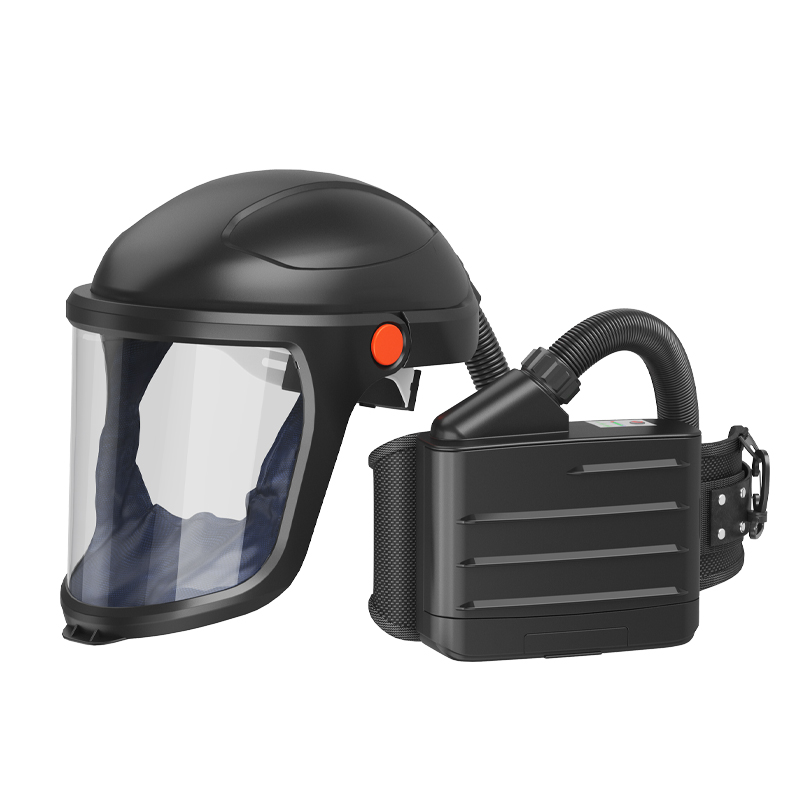
Sanding and polishing are ubiquitous processes in manufacturing, construction, automotive repair, and woodworking, tasked with refining surfaces to meet precision or aesthetic standards. Yet beneath the seemingly routine nature of these operations lies a hidden hazard: airborne contaminants that pose severe risks to workers’ health. From fine wood dust and metal particles to toxic fumes from polishing compounds, the pollutants generated during sanding and polishing can penetrate deep into the respiratory system, leading to chronic illnesses over time. This is where loose fitting powered air purifying respirators step in as a critical line of defense. Unlike conventional respirators, PAPR offers superior protection, comfort, and usability—making it not just a recommended tool, but an essential one for anyone engaged in sanding and polishing work. The primary threat driving the need for PAPR in sanding and polishing is the nature of the airborne particles produced. Sanding, whether on wood, metal, or composite materials, generates ultrafine dust particles (often smaller than 10 micrometers) that easily bypass the body’s natural respiratory defenses. For example, wood dust is classified as a carcinogen by the International Agency for Research on Cancer (IARC), linked to nasal cavity and sinus cancers. Metal dust from polishing aluminum, steel, or stainless steel can cause metal fume fever, lung fibrosis, or even neurological damage if lead or cadmium particles are present. Conventional disposable masks or half-face respirators often fail to seal properly during the repetitive, dynamic movements of sanding and polishing, allowing these harmful particles to leak in. PAPR, by contrast, uses a battery-powered blower to deliver filtered air to the user’s face, creating a positive pressure environment that prevents contaminated air from entering the respirator. Comfort and wearability are another key reason Powered Air Purifying Respirator TH3 is essential for long-duration sanding and polishing tasks. Many sanding and polishing jobs require workers to spend hours in awkward positions, bending, reaching, or leaning over workpieces. Conventional respirators rely on the user’s lung power to draw air through filters, which can cause fatigue, shortness of breath, and discomfort—leading workers to remove the respirator altogether, putting themselves at risk. PAPR’s powered air delivery eliminates this breathing resistance, providing a continuous flow of cool, filtered air that keeps workers comfortable even during extended shifts. Additionally, PAPR hoods or face shields offer full-face protection, shielding not just the respiratory system but also the eyes and skin from flying debris, chemical splatters, and irritant dust—hazards that are common in polishing operations using harsh compounds. The variability of sanding and polishing environments further underscores the need for PAPR’s versatile protection. Different materials and processes generate different types of contaminants: sanding wood produces organic dust, while polishing metal may release both particles and toxic fumes (e.g., hexavalent chromium from stainless steel polishing). PAPR systems can be equipped with a range of filter cartridges tailored to specific hazards—from particulate filters for dust to combination filters that capture both particles and gases/vapors. This adaptability ensures that workers are protected regardless of the material being processed. In contrast, conventional respirators are often limited to specific contaminant types and may not provide adequate protection when processes or materials change, a common scenario in many workshops. Regulatory compliance and workplace safety standards also mandate the use of appropriate respiratory protection for sanding and polishing operations. Occupational Safety and Health Administration (OSHA) in the U.S., for example, sets strict limits on permissible exposure levels (PELs) for airborne contaminants like wood dust, metal particles, and hexavalent chromium. Failure to meet these standards can result in hefty fines, legal liabilities, and, more importantly, harm to workers. Full face powered air purifying respirator not only meets or exceeds these regulatory requirements but also provides a more reliable level of protection than many conventional respirators. Employers who invest in PAPR are not just complying with the law—they are demonstrating a commitment to worker safety and reducing the risk of costly workplace injuries and illnesses. In conclusion, sanding and polishing operations present unique and significant respiratory hazards that demand a robust protection solution. PAPR’s superior filtration, positive pressure design, comfort, versatility, and compliance with safety standards make it indispensable for these tasks. While conventional respirators may seem like a more cost-effective option upfront, the long-term costs of worker illness, regulatory penalties, and lost productivity far outweigh the investment in PAPR. For anyone involved in sanding and polishing—whether as an employer or a worker—choosing PAPR is not just a practical decision, but a necessary one to safeguard health and ensure safe, sustainable operations.If you want know more, please click www.newairsafety.com.
Read More
When people think of woodworking, images of flying wood shavings and the rich aroma of wood often come to mind. Yet few pay attention to the invisible "health killers"—wood dust. Many craftsmen are used to wearing regular masks while working, thinking, "As long as the large particles are blocked, it’s fine." But with the increasing awareness of occupational health, more and more practitioners are turning to papr system. Today, let’s explore why woodworking, a seemingly "down-to-earth" craft, requires such "professional-grade" protective equipment. First, it’s crucial to understand: the hazards of wood dust are far greater than you might imagine. Wood processing generates not only visible wood chips but also a large amount of inhalable particles (PM2.5). These tiny particles can penetrate deep into the respiratory tract, and long-term accumulation may lead to occupational diseases such as pneumoconiosis and bronchitis. What’s more troublesome is that dust from some hardwoods (such as rosewood and oak) contains allergenic components, which can cause skin itching and asthma attacks upon contact. Regular masks either have insufficient filtration efficiency or poor sealing—dust can easily seep through gaps around the nose and chin, greatly reducing their protective effect. The core advantage of a positive air purifying respirator lies in its "active protection + high-efficiency filtration": it actively draws in air through a built-in fan, filters it through a HEPA filter, and then delivers the clean air to the mask, blocking dust intrusion at the source. The complexity of woodworking scenarios further highlights the irreplaceability of PAPRs. Woodworkers handle a variety of tasks, from sawing and planing to sanding and finishing. Each process produces different pollutants: sawing hardwood generates a lot of sharp wood chips, sanding creates ultra-fine dust, and finishing may be accompanied by volatile organic compounds (VOCs). Regular masks are often helpless against such "composite pollution," but PAPRs can be fitted with different filters according to different processes—they not only filter dust but also provide protection against gaseous pollutants like VOCs. More importantly, woodworking operations often require frequent bending over and turning around, which can easily shift regular masks. PAPR masks, however, are designed to fit closely to the face and are secured with headbands or safety helmets. Even when bending over to sand a tabletop or tilting the head to cut wood for long periods, they maintain a good seal. Comfort during long hours of work is a key reason why PAPRs are gaining popularity among woodworkers. It’s common for woodworkers to work more than 8 hours a day. Regular masks, especially high-protection ones like N95s, have poor breathability. Wearing them for a long time can cause chest tightness, shortness of breath, and leave marks on the face. PAPRs, on the other hand, maintain a slight positive pressure inside the mask through continuous active air supply, making breathing smoother and effectively reducing stuffiness. Some may think powered respirators are more expensive than regular masks and offer poor cost-effectiveness. But from the perspective of long-term health costs, this investment is definitely worthwhile. The treatment costs for occupational diseases like pneumoconiosis are high, and once contracted, they are difficult to cure, seriously affecting quality of life and work capacity. A reliable PAPR can be used for a long time as long as the filter is replaced regularly. It not only protects your health but also avoids lost work time due to illness. For professional woodworking studios, providing PAPRs for employees is also a manifestation of corporate responsibility, which can enhance team cohesion and work safety. Woodworking is a craft that requires patience and ingenuity. Protecting your health is essential to better inherit this craft. Regular masks may be sufficient for short-term, light dust environments, but for long-term, complex woodworking operations, the high-efficiency protection, comfort, and health security provided by PAPRs are irreplaceable by ordinary protective equipment. Don’t let "being used to it" or "it’s okay" become hidden threats to your health. Add a PAPR to your woodworking bench, and make every planing and sanding session more reassuring.If you want know more, please click www.newairsafety.com.
Read More


 IPv6 network supported